Shark Cage Diving + Wine
Two male orcas named Port and Starboard arrived in Gansbaai around 2015 and systematically dismantled what was once the densest great white shark population on the planet — Starboard removes a shark's liver in under two minutes, alone. The great whites are largely gone from Shark Alley. Then a Johannesburg ad man named Tim Hamilton Russell planted Pinot Noir in an uncultivated valley 45 minutes away in 1976, before the law even allowed him to write the word on the label. Descend into the cage where the ocean changed forever, then drive to the valley where the wine that defied the law is still poured.
A Wine Memories experience · winememories.fi
How to Complete
5 steps curated by Wine Memories
- 🍷 Log Memory
📍 WHERE: Meet at the Great White House, 5 Geelbek Street, Kleinbaai harbour, at 8:00am sharp. Marine Dynamics is the big white thatched building you cannot miss.
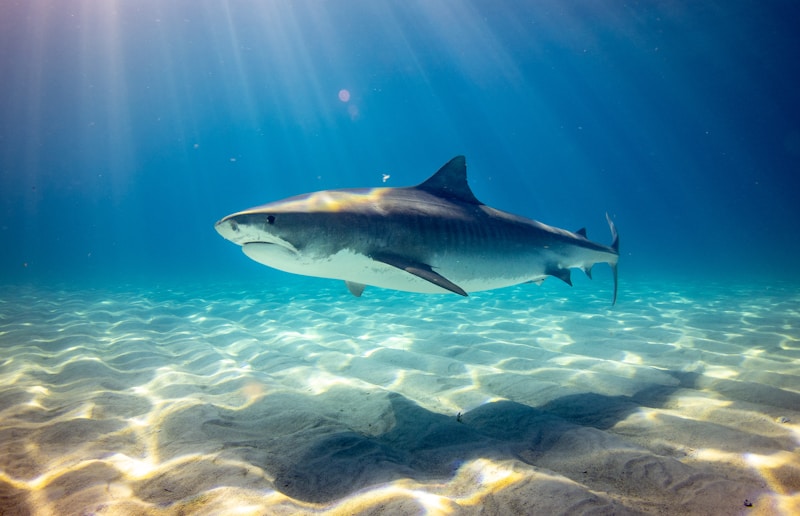
💡 WHAT: You're heading to Shark Alley — the 200-metre channel between Dyer Island and Geyser Rock, where 60,000 Cape Fur Seals have lived for centuries. This channel used to be the densest concentration of great white sharks on the planet. Until two male orcas nicknamed Port and Starboard showed up around 2015 and dismantled the whole ecosystem in under a decade. They remove great white shark livers with surgical precision — Starboard does it solo, in under two minutes. The sharks who survive flee the area for weeks. So the great whites are largely gone. What remains are bronze whaler sharks (copper sharks, up to 3.3 metres), prehistoric broadnose sevengills, and the strangest conservation story in modern marine biology.
🎯 HOW: Book Marine Dynamics online at sharkwatchsa.com — adult R3,655 plus R150 Dyer Island Conservation Trust fee. Breakfast is included at the Great White House from 8am. The boat launches at 9am and you're at sea for 3-4 hours. Wetsuits and all gear are provided. You do NOT need to be a diver — the cage floats at the surface, you breathe through a regulator, you hold the bars and watch. When a bronze whaler materialises out of the blue below you and turns sideways to look at you with one ancient eye, the absence of great whites will feel irrelevant. Ask the crew what Port and Starboard's dorsal fins actually look like — Port's collapses left, Starboard's right, hence the names. These are real, identified individuals who changed the ocean.
🔄 BACKUP: White Shark Projects at the same Kleinbaai harbour is equally verified and operational. If Marine Dynamics is booked out, book at whitesharkprojects.co.za. Do not go without booking — trips depart once daily and fill up.
- 🍷 Log Memory
📍 WHERE: While you wait for the boat briefing or after you return, walk the short stretch of Kleinbaai beach adjacent to the harbour. This is one of the closest pieces of shore to Dyer Island.
💡 WHAT: In 2015, fishermen began finding great white shark carcasses washing ashore here with a specific, inexplicable pattern — they were intact except for one thing: their livers were gone. Extracted cleanly, from between the pectoral fins. This was how researchers first realised something unprecedented was happening. The orcas had learned to target the most calorie-dense organ in the shark's body (a great white's liver can weigh 600kg in a large specimen — pure squalene, an extraordinarily rich fat). Today, Bronze Whale sharks and sevengill sharks are the dominant species in these waters, filling the ecological role the great whites left behind, but differently.
🎯 HOW: Stand at the water's edge and look south-east — Dyer Island is 4.7km in that direction, just visible on clear days. Think about the fact that for a decade, five to twenty great whites per day passed through the channel out there. Ask a Marine Dynamics crew member about "the first carcass" — most of them remember exactly when the story changed. This costs nothing and takes ten minutes, but it recontextualises everything you just saw in the cage.
🔄 BACKUP: If weather prevents landing at the beach, ask your Marine Dynamics guide to point out Dyer Island from the boat. The Dyer Island Conservation Trust information boards near the Great White House cover this history.
- 🍷 Log Memory
📍 WHERE: From Kleinbaai, take the R43 northeast toward Hermanus, then follow signs to Hemel-en-Aarde Valley on the R320. The drive is 45 minutes.
💡 WHAT: The name Hemel-en-Aarde is old Dutch for Heaven and Earth. In 1899, a Moravian missionary named Brother Schmidt wrote about this valley: "Rightly has it got its name because so high are the hills which closely embrace the valley all round, that they seem to touch the sky and you cannot see anything but heaven and earth." The valley is cupped by fynbos-covered mountains on three sides and opens west toward Walker Bay and the Atlantic. You spent your morning in cold water with prehistoric sharks. You are now driving into a valley whose name is literally heaven.
🎯 HOW: This transition is the experience. Roll the windows down. The smell of fynbos — the indigenous shrubland of the Cape — replaces the salt air. The vineyards begin on the valley floor. The Bokkeveld shale turns the soil a distinctive rust-red. This is the drive. Savour it intentionally: you've earned it.
🔄 BACKUP: If driving yourself, Google Maps accepts 'Hemel-en-Aarde Valley R320' directly.
- 🍷 Log Memory
📍 WHERE: Hamilton Russell Vineyards, R320 Hemel-en-Aarde Valley. Open Mon-Fri 09:00-17:00, Sat 10:00-14:00, closed Sunday. GPS: -34.3895, 19.2421.
💡 WHAT: In 1975, a Johannesburg advertising executive named Tim Hamilton Russell bought 170 hectares of completely uncultivated land in this valley and planted Pinot Noir in 1976. He was the first person to grow wine grapes here. There was one problem: South African wine quota laws forbade him from labelling his wine by grape variety or vintage. His first Pinot Noir, bottled in October 1982, had to be called 'Grand Vin Noir' — the authorities wouldn't let him write the word 'Pinot' on the label. Tim fought those laws for years, and they were finally dropped in 1985, largely because of him. Today Hamilton Russell is consistently ranked among the finest Pinot Noirs in the southern hemisphere — a wine that required one man to both plant it and legally liberate it.
🎯 HOW: Walk into the tasting room and ask for the Pinot Noir by name. When it arrives — garnet, lean, with that distinctive Walker Bay quality of freshness over weight — ask the staff about Tim Hamilton Russell and the 'Grand Vin Noir' era. The estate still holds bottles from the 1980s. This is the wine that built the valley. Everything else you're tasting today is here because of what Tim planted on previously uncultivated shale in 1976.
🔄 BACKUP: If Hamilton Russell is closed (check Sunday — always closed), Newton Johnson on the same R320 road is equally verified and equally compelling, with views across Walker Bay from The Restaurant.
- 🍷 Log Memory
📍 WHERE: Newton Johnson Vineyards, Upper Hemel-en-Aarde Valley (R320, past Hamilton Russell). The Restaurant at Newton Johnson has views across Walker Bay.
💡 WHAT: The same body of water you were suspended above this morning in a cage — Walker Bay — is now spread below you, framed by mountains, from a table with a glass of Pinot Noir in your hand. Newton Johnson makes what critics describe as unusually 'feminine and perfumed' Pinot Noir for South Africa; ask for the Windandsea or SeaDragon single-vineyard if available. These are site-specific wines made from Hemel-en-Aarde's stony, decomposed-granite upper valley soils. They taste of somewhere specific. June-November, you may watch Southern Right Whales in the bay below you with the naked eye — the same Walker Bay where they come from Antarctica to calve every year.
🎯 HOW: Book The Restaurant at Newton Johnson for lunch (newtonjohnson.com) — seasonal a la carte, small plates designed to pair with the wines. Order a glass of their Pinot Noir and find a seat facing the bay. Look west toward the Atlantic and understand that the shark cage was approximately 60km in that direction, around the headland. The cold water you were standing in this morning is the same ocean feeding this valley's maritime climate, making these wines possible. Tell the sommelier about your morning — they have heard this story many times and they love it.
🔄 BACKUP: Creation Wines (R320, Hemel-en-Aarde Ridge, open daily 10:00-17:00) is an excellent alternative with 8 different food-and-wine pairing menus. Creation's pairings are famously theatrical — a fitting coda to a theatrical day.