✦ Biblical Terraces, Modern Excellence
Judean Hills Wineries
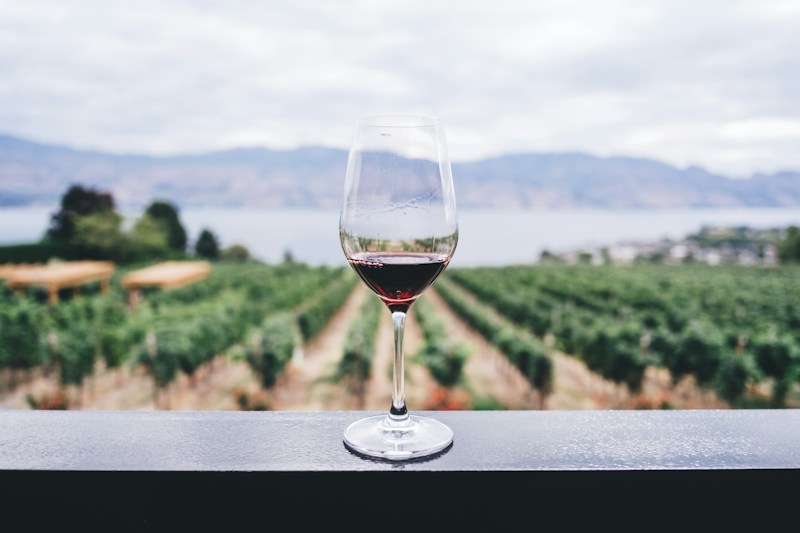
Ancient terraces, modern excellence. The hills around Jerusalem have grown grapes since biblical times. Today, boutique wineries like Domaine du Castel, Flam, and Tzora produce world-class wines from these storied slopes.
A Wine Memories experience · winememories.fi
How to Complete
5 steps curated by Wine Memories
-
An ancient winepress cut into limestone bedrock sits on the grounds of a working winery — the same valley where Joshua stopped the sun.
🍷 Log Memory📍 WHERE: Clos de Gat Winery, Kibbutz Harel, Ayalon Valley (postal code 99740). The ancient gat — a winepress hewn directly into limestone bedrock — is on the winery grounds, visible from the approach path before you enter the visitor building. GPS: 31.832, 34.986.
💡 WHAT: The Romans built nothing here. This winepress predates them. It was cut into this hillside more than 3,000 years ago, in the Ayalon Valley — the same valley where the Book of Joshua says the sun stood still while Israel defeated the Amorite kings. When the Romans besieged Jerusalem in 70 CE and scattered the Jewish population across the empire, the people who pressed grapes into this stone were gone. The winery you're standing in front of was founded in 1998. That's a gap of roughly 1,900 years between the last person who used this gat and the first vintage of Clos de Gat Cabernet Sauvignon. The winery's name is a deliberate fusion: 'Clos' is French for an enclosed estate vineyard, 'Gat' is Hebrew for winepress. The ancient press is the reason for the winery's name, its identity, and arguably its entire existence.
🎯 HOW: Drive to Kibbutz Harel (route 3835 from Beit Shemesh area, or GPS 31.832, 34.986). The winery is open for tastings by appointment — call +972-2-9993505 or book via ontopo.com. Ask specifically to be shown the ancient gat at the start of your visit, before the tasting begins. The Har'el Cabernet Sauvignon is ~$35/bottle; full tasting approximately $20–35 per person. Tell them you want to taste the Har'el Cab and the Chardonnay — these best express the limestone terroir.
🔄 BACKUP: If Clos de Gat is closed, Tzora Vineyards (Kibbutz Tzora, 20 min away) has a First Temple period winepress visible in the Sorek Valley area, and the winery itself offers free individual tastings without appointment.
-
Kibbutz Tzora sits precisely between the biblical villages of Zorah and Eshtaol — the exact territory the Book of Judges names as Samson's home. The Sorek Valley below is where Delilah lived.
🍷 Log Memory📍 WHERE: Tzora Vineyards, Kibbutz Tzora, Sorek Valley (off highway 3835, 20km from Jerusalem, near Beit Shemesh). GPS: 31.766, 34.968. The tasting room is the brown stone building at the kibbutz entrance.
💡 WHAT: Judges 13:25 says the Spirit of the Lord first moved Samson 'in the camp of Dan between Zorah and Eshtaol.' Those are the modern villages of Tzora and Eshtaol, flanking this exact kibbutz. The Valley of Sorek below — where Samson and Delilah's story played out — is visible from the winery terrace. Agronomist Ronnie James planted the first vines here in 1993, making Tzora the first kibbutz winery in Israel. In October 2016, Wine Spectator ranked Tzora wines #1 and #3 among all Israeli wines. The Shoresh ('root' in Hebrew) series is the flagship — grapes from a single high-elevation plot at 600 meters, terra rossa over limestone, 15-degree diurnal temperature swings at harvest that lock in the kind of acidity you simply cannot manufacture in a hot-climate wine any other way.
🎯 HOW: No appointment needed for individual visits. Walk in during opening hours (Sun–Thu 10:00–17:00, Fri 10:00–14:00, Sat 10:00–18:00). A brief explanation, cellar tour, and tasting of one to two wines is FREE. Ask to taste the 'Shoresh' Red (~$49 to buy a bottle) and stand at the window to see the Sorek Valley. The Judean Hills White blend (Chardonnay/Sauvignon Blanc) is also outstanding and won Wine Spectator's Top 100 in 2022.
🔄 BACKUP: If the tasting room is unexpectedly closed, Flam Winery is 15 minutes away at Eshtaol Forest — also in Samson's territory — and also requires only an appointment call.
-
Domaine du Castel was a restaurateur's hobby vineyard in 1992. A single letter from Sotheby's head of wine changed that — and changed Israeli wine forever.
🍷 Log Memory📍 WHERE: Domaine du Castel Visitor Centre, Moshav Yad HaShmona, Jerusalem Corridor (10 miles west of Jerusalem, 20-minute drive). GPS: 31.810, 35.090. Book in advance: ontopo.co.il/castel or +972-2-535-8555. Groups capped at 6 people.
💡 WHAT: In 1988, Eli Ben-Zaken was running Mama Mia, a popular Italian restaurant in Jerusalem. He had no winemaking training. He planted a few rows of Cabernet Sauvignon in the backyard of his home at Moshav Ramat Raziel, taught himself from the books of French enologist Emile Peynaud, and made a few hundred bottles for restaurant guests. In 1992, a friend sent a bottle of that backyard wine to Serena Sutcliffe MW — head of wine at Sotheby's, one of the most powerful palates in the world. Sutcliffe wrote back: 'This wine is a real tour de force, brilliantly made and very classic… I hope others take the hint and learn how to do it.' That letter turned a hobby into a professional winery. Today Castel Grand Vin has scored 94 points — the highest ever for an Israeli wine — and ships to fine wine merchants globally. It is reviewed alongside classified Bordeaux. The vineyard is at 700 meters altitude in terra rossa over limestone; the 15-degree day-to-night temperature swing at harvest is the secret weapon behind the structure.
🎯 HOW: Visitor centre hours Sun–Thu 10:00–16:00, Fri 10:00–13:00. Guided tour + cheese-and-wine tasting. Cost approximately 120–180 ILS ($35–50) per person. Ask to taste the Grand Vin and the Petit Castel side by side — the difference tells you exactly what this altitude and soil are doing. Request to see the underground barrel cellar.
🔄 BACKUP: If your preferred date is unavailable, Flam Winery (15 min away) offers a similar hilltop tasting experience with equally serious wines and a balcony looking out over the Judean Hills.
-
The Judean Hills look pastoral today — 40 wineries, ancient olive trees, limestone terraces. In 135 CE, Hadrian's army ended 3,000 years of continuous winemaking here in a single campaign. The rock still remembers.
🍷 Log Memory📍 WHERE: Adullam Grove Nature Reserve (Park Adullam), near Kibbutz Netiv HaLamed-Heh, Jerusalem District (~35km SW of Jerusalem). Drive road 38 south from Beit Shemesh, follow signs to Adullam Park. GPS entry point approximately 31.68, 34.93. Horvat Ethri archaeological site is within the park.
💡 WHAT: After the First Jewish-Roman War ended in 70 CE (Temple burned, Jerusalem sacked) and the Bar Kokhba revolt was crushed in 135 CE, Hadrian expelled the Jewish population, renamed Jerusalem 'Aelia Capitolina,' and renamed the entire province 'Syria Palaestina' to erase the Jewish connection. The Judean Hills — which had been among the most productive wine-growing regions in the ancient Mediterranean for at least 3,000 years — fell into 1,300 years of viticultural dormancy. The same terra rossa soil, the same altitude, the same limestone bedrock. Just no winemakers. At Horvat Ethri inside Adullam Park, you can walk through the ruins of a Second Temple-period Jewish village where archaeologists excavated rock-hewn wine presses, ritual baths, cisterns, and an ancient synagogue — exactly the kind of community the Roman campaigns obliterated. The large wine press at Point 10 of the site is well-preserved and you can step into the pressing floor. This is the physical counterpart to every glass you've tasted today.
🎯 HOW: Free entry to Adullam Grove Nature Reserve. Horvat Ethri is accessible via a 30-45 minute loop trail from the car park. Wear closed shoes — limestone paths. Carry water. Best in morning before heat. No guided tours required — BibleWalks.com has a detailed self-guided route map for Horvat Ethri. Combine with the winery visits as a day-end walk.
🔄 BACKUP: If you prefer staying on winery grounds, Clos de Gat's ancient gat (Step 1) provides the same physical encounter with a pre-Roman winepress without the walk. The two sites are 30 minutes apart.
-
Flam Noble is named for Vino Nobile di Montepulciano — Golan Flam's nod to Tuscany. But what's in the glass is unmistakably Judean Hills: eucalyptus, black fruit, and a freshness no Tuscan sun produces.
🍷 Log Memory📍 WHERE: Flam Winery, Hakdoshim (Kdoshim) Forest, Eshtaol, Judean Hills. Located between Tel Aviv and Jerusalem, 15 minutes from Beit Shemesh. GPS: 31.730, 34.990. Phone: 02-9929923. Appointment required — call or email visit@flamwinery.com.
💡 WHAT: Golan Flam trained in winemaking and worked at Golan Heights Winery — the institution that started the Israeli quality revolution with the 1984 Yarden Cabernet Sauvignon. He and his brother Gilad founded Flam in 1998 in the Eshtaol Forest, which is — not coincidentally — the same forest named in Judges 13:25 as one of the two landmarks flanking Samson's birthplace. The Noble (Robert Parker: 93 points on the 2010) is the winery's statement wine: a Bordeaux blend that spent years of vineyard observation to define the best plots on this specific hillside. The secret is that harvest at 730 meters altitude, with night temperatures crashing to 15°C while the daytime peak is 30°C — the same 15-degree swing that forces grapes to ripen slowly, build complexity, and retain the kind of crisp acidity that makes Judean Hills reds feel Mediterranean and European simultaneously. It's the altitude doing what Bordeaux's Atlantic climate does for Cabernet — not temperature alone, but temperature contrast.
🎯 HOW: Appointment-only, Sun–Fri. Tasting on the balcony overlooking the Judean Hills. Cost approximately 80–120 ILS ($25–35) per person for guided tasting. The Noble (~$65 retail) is the must-taste; the Classico (~$42) shows the same terroir at a gentler price. The rosé (predominantly Cabernet Franc) is exceptional for a warm-afternoon glass on the terrace.
🔄 BACKUP: If Flam is full, Tzora Vineyards (Step 2) is 15 minutes away and offers free walk-in tastings.
Tagged
- Judean-Hills
- boutique
- terraces
- biblical
- world-class
Fact-checked March 2026 · 25 sources
View sources
- winetourism.com
- wine-searcher.com
- vinerra.com
- castel.co.il
- timesofisrael.com
- circleofwinewriters.org
- en.wikipedia.org
- kosher.com
- tzoravineyards.com
- jewishvirtuallibrary.org
- skurnik.com
- flamwinery.com
- judeanhillsquartet.com
- closdegat.com
- tastingroomconfidential.com
- biblewalks.com
- biblewalks.com
- hikingintheholyland.com
- jewishvirtuallibrary.org
- en.wikipedia.org
- adammontefiore.com
- israeligoodwine.com
- itervitis.eu
- grapecollective.com
- israel21c.org