✦ Jesus's Wine Country
Galilee Region
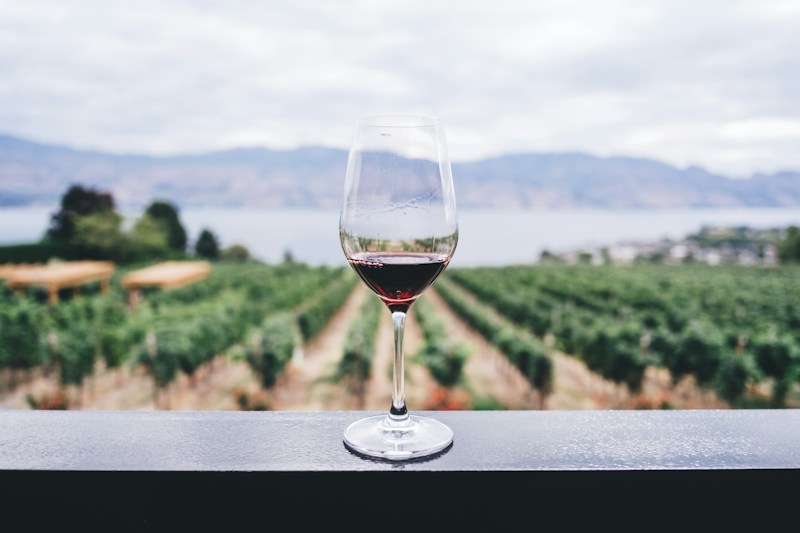
Jesus's wine country. Roman roads crisscross the region. Galil Mountain Winery and others produce excellent wines from these historic hills. The Sea of Galilee provides views; the mountains provide terroir.
A Wine Memories experience · winememories.fi
How to Complete
5 steps curated by Wine Memories
- 🍷 Log Memory
📍 WHERE: Berko Archaeological Park, southern entrance to modern Tiberias — look for the signposted archaeological site along the waterfront promenade. Hours: Sun-Thu 16:00-20:00, Saturday 11:00-20:00. CLOSED Friday. Entry is free.
💡 WHAT: In 17 CE, Herod Antipas — the man who would later behead John the Baptist — needed a showcase Roman city to prove his loyalty to Emperor Tiberius. He found the perfect lakefront location on the western shore of the Sea of Galilee. One problem: it sat atop an ancient Jewish cemetery. He built there anyway, making the city ritually impure under Jewish law. Pious Jews refused to move in. Antipas had to conscript poor Galileans to populate his Roman showpiece. The irony: after the destruction of Jerusalem in 70 AD, Tiberias became the holiest Jewish city on earth. The Sanhedrin moved here. Rabbi Yehudah HaNasi compiled the entire Mishnah here around 200 CE. The Jerusalem Talmud was canonized here around 400 CE. A city that Jews wouldn't touch became the city that saved Judaism.
🎯 HOW: Walk the park and find the Roman theatre — it seated 7,000 people and was buried 15 meters underground until excavations began. Stand at the cardo (main street), where columns still line the ancient road. The Roman gate's arch is still standing. This is where Herod Antipas promenaded his Roman identity while fishermen on the lake outside were telling stories that would outlast everything.
🔄 BACKUP: If closed (note the limited hours), walk the waterfront promenade south from Tiberias city center — you can see the excavation fences and the scale of what's buried. The views over the lake are equally powerful.
- 🍷 Log Memory
📍 WHERE: Magdala Archaeological Park, 5 km north of Tiberias on Route 90 along the western shore. GPS: 32.8368°N, 35.5045°E. Open daily 8:00-18:00. Entry: 15-20 NIS (~€4). Volunteer-guided tours available on-site.
💡 WHAT: In 2009, a construction crew digging foundations for a hotel hit something underground. Archaeologists took over and found an intact first-century synagogue — the only one confirmed to have existed during the lifetime of Jesus. In the center of the synagogue they found a carved limestone block, now called the Magdala Stone. On it: the world's oldest carved image of the seven-branched menorah in any Jewish public space. Not a later interpretation — scholars believe the artist literally SAW the Temple menorah in Jerusalem, because the specific tripod base matches ancient descriptions exactly. The Temple was still standing when this was carved. It is, in effect, a portrait of an object that was destroyed in 70 AD, made by an eyewitness. The town this synagogue belonged to was called Magdala. Mary Magdalene — whose name meant she was FROM here — may have prayed in this exact room.
🎯 HOW: Ask the guide specifically to show you the stone replica in situ (the original is displayed separately). Spend time with the 3D architectural carving on the sides of the stone — those archways are meant to depict the Temple interior. You're looking at the closest thing to a contemporary photograph of the Second Temple that exists.
🔄 BACKUP: If the volunteer guide isn't available, the site's signage is detailed. The excavation area is compact and fully accessible — give yourself 45-60 minutes.
- 🍷 Log Memory
📍 WHERE: Yigal Allon Museum, Kibbutz Ginosar, northwest shore of Sea of Galilee — GPS: 32.8447°N, 35.5253°E. Enter 'Yigal Allon Center, Ginosar' in Waze. Phone: 04 622 7700. Entry: 25 NIS (~€6), students 15 NIS.
💡 WHAT: In 1986, a drought pulled the Sea of Galilee lower than it had been in decades. Brothers Moshe and Yuval Lufan — fishermen from this kibbutz — walked the newly exposed muddy shoreline. They found wooden planks half-buried in the mud. Excavations revealed a 27-foot boat, 8.2 meters long, built from 12 different kinds of wood — the patchwork of poverty, repaired across generations. Radiocarbon dating returned a verdict: 100 BC to 100 AD. First century. The exact window. Conservation took 11 years. The boat was sprayed continuously with polyethylene glycol — a chemical that replaces water in waterlogged wood without letting it collapse — while scientists figured out how to stabilize it without destroying it. In the year 2000, it went on permanent display. No one claims this was Jesus's boat. What it proves is more useful: this is the exact type of boat the Gospels describe. Same construction method. Same size. Same lake. When you read 'they got into the boat,' this is what that boat looked like.
🎯 HOW: Go early — tour groups hit this mid-morning. The museum also holds exhibits on the kibbutz movement and the history of the lake. Stand at the stern and look at the repair patches across the hull — you're reading the economic biography of a first-century Galilean fisherman.
🔄 BACKUP: The rest of Kibbutz Ginosar has walking trails to the lakeshore and a hotel. The shoreline view here — northwest of the lake with the Arbel cliffs visible across the water — is one of the best on the Kinneret.
- 🍷 Log Memory
📍 WHERE: Galil Mountain Winery, Kibbutz Yiron, Upper Galilee — GPS: approximately 33.1600°N, 35.4500°E. Search 'Galil Mountain Winery' in Waze. Phone: +972-4-686 8748. Reservations recommended; check galilmountain.co.il. Allow 45 minutes from the Sea of Galilee — the drive up into the Upper Galilee is part of the experience.
💡 WHAT: Archaeologists have found wine presses carved into limestone bedrock across these hills. At Tel Kabri, 40 km west, they excavated a Canaanite palace wine cellar from 1800 BCE — the oldest known in the Near East — with 3,800-year-old jars of wine spiced with mint, cinnamon, and juniper. The Romans continued the tradition at scale; their wine from Galilee was exported across the Empire. Galil Mountain Winery sits at over 1,000 meters elevation on the Ramim Ridge, almost on the Lebanese border. The elevation is the secret — in a country where most of the landscape would cook your grapes, the Upper Galilee's altitude gives you genuine cool nights, minerality from volcanic and terra rossa soils, and the complexity that makes critics pay attention. Their flagship 'Yiron' is a Bordeaux-style blend that gets consistent international praise.
🎯 HOW: Ask for the tasting that includes Yiron alongside their Galilee Cabernet Sauvignon. Request the vineyard view — the winery overlooks mountains in all directions. If you're there in harvest season (Sept-Oct), ask about the picking schedule.
🔄 BACKUP: Recanati Winery at Ramat Dalton (GPS: 33.0167°N, 35.4667°E, call +972-4-6222288 first) is a 15-minute drive away — their David Vineyard Cabernet from Upper Galilee is exceptional and the 850m clifftop location is dramatic. Hours: Sun-Thu 9:00-16:00, Fri 9:00-13:00.
- 🍷 Log Memory
📍 WHERE: Tiberias waterfront, Sea of Galilee western shore. Multiple restaurants along the promenade; Galei Gil (Tiberias, waterfront) is the local favorite — casual, right on the water, GPS: ~32.7940°N, 35.5360°E. For views, St. Peter's Restaurant at Kinneret (glass walls, elevated lake position) is the classic pilgrimage lunch stop.
💡 WHAT: St. Peter's fish — musht, a tilapia species — has been pulled from this lake for at least 2,000 years. Josephus documented the fishing industry here. The Gospels are full of it. The disciples who fished this lake ate this fish. Now you're sitting on the same shore, 213 meters below sea level — the lowest freshwater lake on Earth — eating the same fish. It arrives whole, fried, head and all, with lemon. Romans would have recognized it.
🎯 HOW: Order the whole fried St. Peter's fish — not the fillet, the whole fish. The skin crisps in a way the fillet doesn't. Pair it with whatever wine you brought from Galil Mountain. The afternoon light on the Sea of Galilee in late afternoon turns the water silver-blue and the Golan Heights on the eastern shore go gold. This is the moment where the day earns its payoff.
🔄 BACKUP: Hummus and fresh bread from any Tiberias bakery works as a complement — the waterfront promenade north of the old city has food stalls from mid-morning. If dining in is too much after the day's driving, Tiberias has a night market along the waterfront on summer evenings.
Tagged
- Galilee
- Jesus
- Roman-roads
- Sea-of-Galilee
- historic
Fact-checked March 2026 · 23 sources
View sources
- en.wikipedia.org
- timesofisrael.com
- en.wikipedia.org
- en.yigal-allon-centre.org.il
- magdala.org
- en.wikipedia.org
- biblicalarchaeology.org
- livescience.com
- en.wikipedia.org
- en.parks.org.il
- vinerra.com
- winesavvymagazine.com
- wineriesil.com
- galilmountain.co.il
- tripadvisor.com
- en.wikipedia.org
- nbcnews.com
- en.parks.org.il
- atlasobscura.com
- chabad.org
- jpost.com
- galilandgolan.com
- geoyp.com