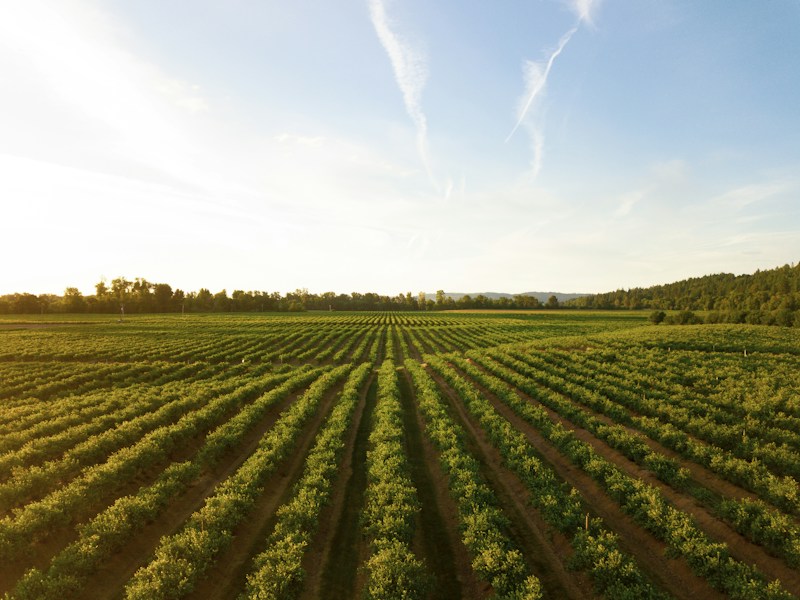
Quinta da Bacalhoa - Renaissance Palace & Vineyards
A stunning 15th-century palace with Renaissance gardens, Moorish azulejo tiles, and the first Cabernet Sauvignon vineyard in Portugal. Tour the palace museum with its private art collection, Japanese garden with a Nagasaki survivor tree, and conclude with a 4-wine tasting. The lakehouse features Portugal's earliest dated tile (1565).
How to Complete
5 steps to experience this fully
-
Find the most famous azulejo panel in Portugal — hidden beside a Renaissance lake
🍷 Log MemoryInside the "Pleasure House" (Casa do Lago) at the water's edge sits the "Susanna and the Elders" tile panel, dated 1565 — the most famous majolica azulejo panel in all of Bacalhoa. Art historians believe this makes the property Portugal's first example of Renaissance architecture. Cross the formal parterre garden behind the main palace, past the clipped boxwood hedges and Four Seasons statuary, to the square man-made lake. The artist Marçal de Matos drew inspiration directly from Italian and Flemish Renaissance engravings. Look at the portal arch above the scene: "1565" is inscribed right in the tiles — older than Shakespeare, older than the Spanish Armada, older than the Eiffel Tower by over 300 years.
🔄 BACKUP: If the lake pavilion is closed or poorly lit, ask the guide which tiles in the main palace gardens are from the same 1565 commission.
-
Dom Brás de Albuquerque — the Viceroy's heir who brought the Italian Renaissance here in 1528
🍷 Log MemoryIn 1528, Dom Brás de Albuquerque bought this estate. His father was Afonso de Albuquerque — the Governor of Portuguese India 1509-1515, described as "the second European to build a city in Asia after Alexander the Great." The man who seized Goa, Malacca, and the Strait of Hormuz. His son Brás had traveled through Italy, fallen in love with the Renaissance, and decided to transplant it to this hillside above Azeitão. At the main palace facade and entrance hall, ask your guide: "Quem foi Brás de Albuquerque?" Then: "O seu pai era o Governador da Índia?" The connection between the empire-builder's son and this Renaissance garden is the emotional through-line of the whole palace.
🔄 BACKUP: The Bacalhoa website (bacalhoa.pt/en/palacio-da-bacalhoa) has the full family history if the guide moves too fast.
-
Moscatel Roxo: the purple muscat mutation with fewer than 4 hectares left on the planet
🍷 Log MemoryMoscatel Roxo is a rare purple-skinned mutation of Muscat of Alexandria with fewer than 4 hectares existing in the entire world. It was once so close to extinction that Portugal's wine establishment genuinely feared losing it forever. At the Adega Museu tasting room (combined ticket ~€14), ask specifically for the Moscatel ROXO — not the standard Moscatel de Setúbal. It requires minimum 36 months aging after maceration and smells of intense orange blossom, rose petals, raisins, almonds, honey. When it arrives, hold the glass up to any light — the color is deep amber-topaz. Smell for 30 seconds before tasting, then ask: "Quantos hectares existem no mundo?" Watch their answer.
🔄 BACKUP: If Moscatel Roxo is unavailable, ask for the aged Moscatel de Setúbal 20 Anos. The 40-year aged version retails for €447 — ask to see the bottle even if you don't taste it.
-
The cellar where Gregorian chant plays continuously — because the winemaker believes it makes Moscatel vibrate better
🍷 Log MemoryWalk into the barrel room and listen. The winemaker pipes Gregorian chant — monks singing — continuously through the cellar, believing the sound causes aging Moscatel to vibrate gently inside the barrels, subtly improving development. You are standing among 15,000 oak barrels where wine has been sleeping to medieval chant for 2 to 30+ years, with 16th-to-19th century azulejo panels lining the walls between barrels. In the third barrel room of the Adega Museu cellar complex, stop and be still for 30 seconds. Let the chant register. This is the single most surreal room in Portuguese wine.
🔄 BACKUP: If your tour skips this barrel room, ask specifically: "Podemos ver a sala com o canto gregoriano?" (Can we see the room with the Gregorian chant?)
-
Zimbabwe's Tengenenge sculptor community vs. Portuguese Renaissance tiles — in the same building
🍷 Log MemoryOver 2,500 Zimbabwean soapstone sculptures from the Tengenenge community fill an entire wing of the BMAD Museum section. The Tengenenge artists have been carving Shona mythology — spirits, ancestors, transformation — since the 1960s when Tom Blomefield opened his farm as a sculptor community. In the African art wing of the Adega Museu (designed by António d'Avillez), walk slowly through the sculptures. Pick one and read its label — the subject is from Shona cosmology, 10,000 kilometers from this Portuguese valley. Then walk to the Art Deco room with 300+ pieces, then the azulejo room. You've crossed four centuries and three continents without leaving a single building.
🔄 BACKUP: If time is short, go straight to the African art wing first — most visitors spend all their time in the barrel rooms and miss the most unexpected element.