✦ Tunisia's Wine Peninsula
Cap Bon Wineries
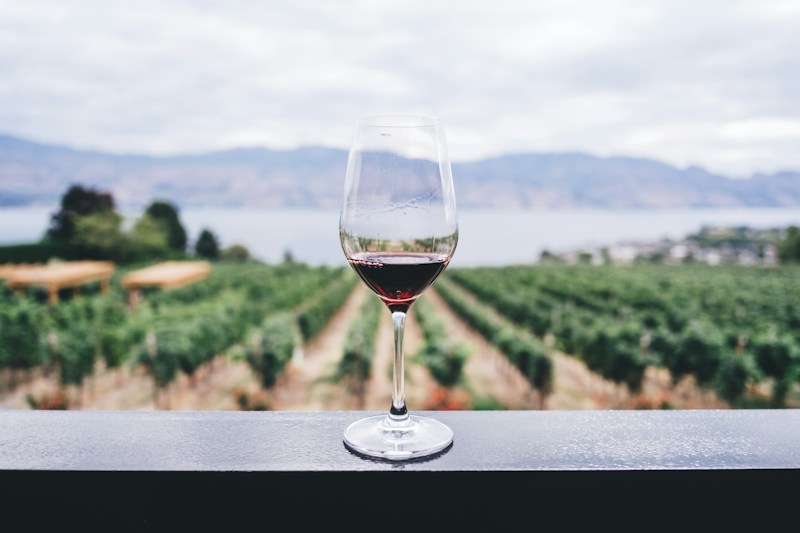
Tunisia's wine peninsula, jutting into the Mediterranean. The Grombalia and Mornag regions produce most of Tunisia's wine. Visit estates reviving the tradition that made Africa Rome's wine cellar.
A Wine Memories experience · winememories.fi
How to Complete
5 steps curated by Wine Memories
-
Kerkouane is the only intact Punic city on earth — because it was already empty when Rome arrived.
🍷 Log Memory📍 WHERE: Kerkouane UNESCO site, on the cliff edge of the Cap Bon peninsula's northern tip — 36.9464°N, 11.0990°E. From Tunis, drive ~1.5 hours east along the Cap Bon coast past Nabeul; the site is signposted from the coastal road near Kerkouane village. Bus from Nabeul to Kerkouane possible but slow — taxi from Nabeul (30 min, ~25 DT) is recommended.
💡 WHAT: In 146 BC Rome destroyed Carthage so thoroughly that not one stone was left standing. They did the same to every Punic city they could find — Tyre, Byblos, every settlement erased and rebuilt Roman. Every single one, except this. Kerkouane was abandoned around 250 BC during the First Punic War, probably evacuated before a Roman siege that never came. When the legions arrived after 146 BC, there was nothing here to conquer. So Rome never built on it. The streets you walk today are exactly as they were in 250 BC. The pink-floored private baths in the houses — opus signinum mosaic, pink and white scatter-pattern — were never paved over by Roman tile. This is what Punic life looked like before Rome.
🎯 HOW: Walk the residential quarter in the northeastern section first — that's where the wealthiest houses are, and where the pink bath floors survive best. Look for the baths inside individual houses: these are PRIVATE baths, not the communal Roman baths you've seen elsewhere in Tunisia. That's the cultural tell. The Punics bathed in private. Also look for the outlines of the purple dye workshops near the seaward edge — Tyrian purple was worth more than gold in the ancient world. On-site museum at the entrance displays pottery and personal objects. Entry is nominal (confirm with site; ~5-8 DT historically, cash preferred).
🔄 BACKUP: The external walk along the cliff above the site is free even if the gate is closed on an unexpected holiday — you can see the grid of walls from above. The drive along the Cap Bon coastal road itself is worth it for the vineyards visible from the road.
-
After burning Carthage, the Roman Senate's first act was to translate the Carthaginian winemaker's 28-volume manual into Latin. That knowledge became Rome's agricultural empire. The wine it described is still made here.
🍷 Log Memory📍 WHERE: Cave Viticole de Grombalia (Ceptunes), hamlet of El Karmia, ~3km east of the Grombalia highway exit — 36.5936°N, 10.4976°E. From Tunis ~45 minutes SE on the A1; from Kerkouane backtrack ~1 hour SW. Grombalia town is the logical base for arriving from Tunis before heading to the coast.
💡 WHAT: A Carthaginian named Mago wrote the world's first documented guide to viticulture and winemaking — 28 volumes in Punic, compiled here on Cap Bon around 250 BC. His surviving fragments include advice that winemakers still follow: 'the most productive vineyards face north.' When Rome destroyed Carthage in 146 BC, they burned the city to rubble. But the Roman Senate immediately commissioned a full Latin translation of all 28 volumes, led by a patrician named Decimus Junius Silanus who was one of the few Romans fluent in Punic. Mago's knowledge was then cited by Varro, Columella, Pliny the Elder. The Romans built their agricultural empire using knowledge they saved from the city they destroyed. In 1987, at a meeting in Rome, the International Organisation of Vine and Wine gave Grombalia the title 'International City of the Vine.' The same Rome. Still recognizing the same peninsula.
🎯 HOW: The Cave Viticole produces Clos de Carthage, Magnum, and Jour et Nuit. Call ahead or email to confirm a tasting visit — reservations 7 days in advance for groups, but individual visits possible with contact (check cavegrombalia.com or +216 72). A cave visit with tasting runs approximately 120-220 DT per person depending on package. Ask specifically for a Clos de Carthage tasting — this is their flagship red. Taste with the Mago story in mind: you are drinking from the tradition he codified.
🔄 BACKUP: If the cave requires advance booking and you haven't reserved, drive to Nabeul (30 min from Grombalia) and find Cap Bon wines at a local wine shop — Vignerons de Carthage labels are widely stocked. Ask for 'Chateau Mornag' or any Cap Bon AOC label. Alternatively, the Civitatis/GetYourGuide half-day Mornag wine tour from Tunis (from ~$120, departs 9am) includes a full cellar visit and cheese pairing.
-
Everywhere on earth, Muscat of Alexandria makes sweet wine. Except here, in these sandy soils at the tip of Cap Bon, where it ferments completely dry — and becomes something else entirely.
🍷 Log Memory📍 WHERE: Restaurant El Mansourah, Rue Petit Paris, El Mansourah Beach, Kelibia 8090 — northeast of Kelibia town, near the fortress promontory. ~36.852°N, 11.098°E. Phone: +216 72 295 169. From Grombalia, ~45 minutes northeast along the Cap Bon coast road. Open all year for lunch and dinner.
💡 WHAT: The Muscat de Kelibia is one of the strangest wines in the world, and one of the most locally perfect. Globally, Muscat of Alexandria ends up sweet — in southern France, in Sicilian passito, in fortified wines. It's the grape of dessert and raisins. But these sandy siliceous soils at Kelibia's coast — different from almost anywhere Muscat grows — produce a version that ferments completely dry. What remains is jasmine, orange blossom, peach, rose, acacia. Delicate, fragrant, impossibly aromatic for a dry white wine. It was awarded AOC Premier Cru status, one of only 7 such appellations in all of Tunisia. National Geographic described this combination: 'a long lunch of fresh fish washed down with chilled Kelibia muscat.'
🎯 HOW: Order the Muscat Sec de Kelibia by name — ask for 'Les Vignerons de Carthage, Muscat Sec de Kelibia Premier Cru.' While you wait, smell the wine before you taste it. Look at the vineyards on the slope above you. The jasmine in the glass is the same jasmine in the air. Then order the loup de mer (sea bass) or the rouget (red mullet) — chef Gobji Mohamed uses fish delivered overnight from Cap Bon waters. El Mansourah has had tables set on the rocks above the sea since 1962. The restaurant is built onto the cliff itself.
🔄 BACKUP: If El Mansourah is too busy or closed unexpectedly, any seafood restaurant in Kelibia serves local Muscat. The wine is stocked across the town — it's the local pride. Order 'Muscat de Kelibia sec' anywhere. If you want to take bottles home, Vignerons de Carthage distributes widely in Nabeul and Kelibia shops.
-
150 meters above the Mediterranean, above the vineyards, above Kelibia's fishing port — the fortress that Byzantines, Arabs, Normans, and Zirids all fought over, each of them watching these same vines below.
🍷 Log Memory📍 WHERE: Borj Kelibia (Kelibia Fortress / Citadel), on the rocky promontory above Kelibia town — 36.8476°N, 11.0939°E. The fortress is visible from anywhere in the town — just walk uphill toward the cliff. If driving, park at the base of the promontory and walk up the path.
💡 WHAT: This cliff was a strategic prize for every civilization that touched the Mediterranean. The Punics used it. Rome destroyed it in 146 BC. The Byzantines rebuilt a fortress here in the 6th century — you can still see the Byzantine core inside the walls. In the 8th century, Arab warriors turned it into a ribat, a fortified watchtower where ascetic fighters watched for Christian fleets from the north. In the 11th century, the Normans of Sicily — who had conquered all of southern Italy and were eyeing North Africa — actually SEIZED this fortress before being pushed back in 1112. The Zirid prince Yahya then rebuilt it into the form you see today. Six civilizations. One cliff. Below it, through all of this, the vineyards of Cap Bon kept growing.
🎯 HOW: Walk up to the fortress — the exterior view from the top of the promontory is free. Look northeast toward the sea; look southwest over the Cap Bon interior, where the vineyards run down toward Grombalia. The small museum inside the fortress contains artifacts from the region's layers — look for the Byzantine stonework that predates the Arab additions. The fortress is open for visitors (small entry fee typically 5-8 DT; confirm at gate). The best time: late afternoon, when the light hits the Mediterranean from the west and the vineyards below turn gold.
🔄 BACKUP: If the interior is unexpectedly closed, the walk up to the base of the promontory is worth it for the panoramic view alone. The exterior cliff is always accessible. From this point you can see the entire northeastern coast of Cap Bon — the same coastline the Byzantines were watching for fleet invasions.
-
The inland road across Cap Bon connects vineyards, jasmine orchards, and citrus groves in a landscape unchanged from the Roman mosaics at the Bardo Museum. This is where Rome's wine amphorae were filled.
🍷 Log Memory📍 WHERE: The coastal and inland roads of Cap Bon between Grombalia and Kelibia, northeastern Tunisia. GPS: Start at Grombalia (36.5936°N, 10.4976°E), end at Kelibia (36.8476°N, 11.0939°E). The inland route via Menzel Temime gives the best vineyard views.
💡 WHAT: Cap Bon is 100km long and 40km wide, and it is the reason Rome could feed and water an empire. The Roman mosaics in the Bardo Museum in Tunis — those scenes of orchards, vineyards, olive groves — were made from life, on this peninsula. Archaeologists have confirmed via chemical analysis that Keay 25.1 amphorae produced on this coastline, shipped to Trajan's harbor at Rome, contained wine. Tunisian wine was drunk in Rome. The African red-slip pottery that carried it dominated trade across the entire Mediterranean from the 3rd century onward. Chemical analyses at Ostia confirmed Tunisian wine in the amphorae. And the landscape that produced it: Cap Bon receives up to 1,000mm of rain per year — more than some parts of France — making it by far the most fertile land in Tunisia. It is carpeted in jasmine, roses, orange groves, lemon orchards, and vineyards in every direction.
🎯 HOW: Drive the inland road from Grombalia toward Menzel Temime and up the coast to Kelibia, rather than the highway. Stop the car when you see a vineyard that matches the scale of what you're imagining — rows running toward the sea, jasmine alongside, citrus trees above the vines on the hill. In spring (April-May), the whole peninsula is in bloom and smells of orange blossom. This is the layer that makes the Muscat de Kelibia taste the way it does — the vines are breathing the same jasmine that's in the glass. Total drive: about 1.5 hours with stops.
🔄 BACKUP: If time is limited, even the drive along the coastal road from Nabeul to Kelibia (A10) passes through vineyard country and shows the Mediterranean backdrop. The landscape view alone validates every word of those Roman mosaics.
Tagged
- wine-region
- mediterranean
- peninsula
- estates
- revival
Fact-checked March 2026 · 23 sources
View sources
- whc.unesco.org
- en.wikipedia.org
- periplum.substack.com
- vigneronsdecarthage.tn
- muscat-wines.com
- romeartlover.it
- patrimoinedetunisie.com.tn
- aroundtheworldin80harvests.com
- en.wikipedia.org
- apollo-magazine.com
- en.wikipedia.org
- nationalgeographic.com
- tripadvisor.com
- cavegrombalia.com
- cavegrombalia.com
- en.wikipedia.org
- arabamerica.com
- viniou.com
- civitatis.com
- en.winedexer.com
- wine-searcher.com
- latitude.to
- aroundus.com