The Theft
June 1940. German forces rolled into Champagne, and within weeks, 2 million bottles had been seized. Not requisitioned — stolen. Soldiers broke into cellars, loaded trucks, and shipped crate after crate back to Germany. One house lost its entire reserve in 72 hours.
Then the bureaucracy arrived, which was worse.
The Nazi administration appointed Otto Klaebisch as Weinführer — wine leader — of Champagne. Klaebisch was a German wine merchant who knew the region well enough to know exactly what he was looting. His mandate: 400,000 bottles per week, shipped to Germany. Not the house blends. The good stuff. The vintage reserves. The bottles that had been aging in chalk caves for years.
The producers couldn’t refuse outright. The region was occupied. Resistance meant deportation or death. So they did what the people of Champagne had done during every invasion since the Romans: they went underground. Literally.
The Caves
Champagne sits on 200+ miles of ancient chalk caves — crayères — carved by Romans for building stone and expanded over centuries for wine storage. During World War I, these caves had sheltered entire communities for 1,000 days of continuous German bombing. By 1940, the vignerons knew exactly what their caves were good for.
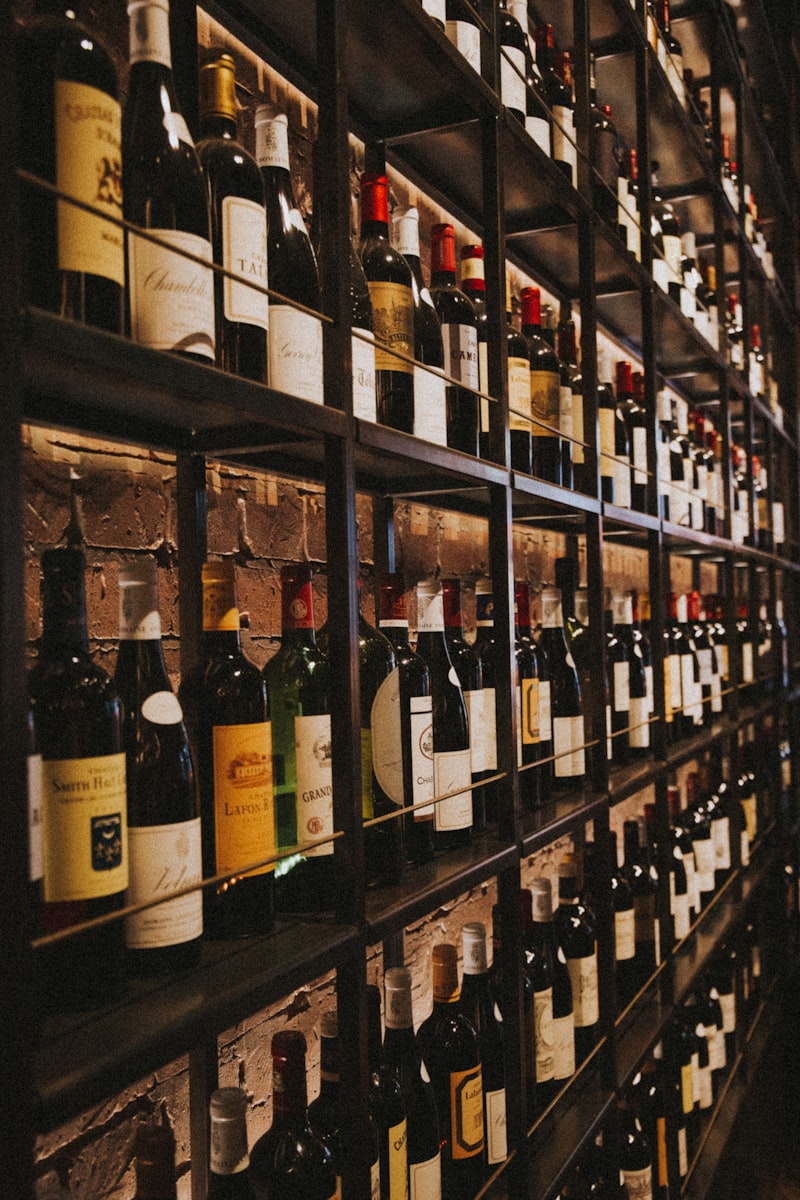
Producers walled off sections of their deepest cellars. Behind fresh brickwork that was aged with dust and cobwebs to look centuries old, they hid their finest vintages. Some houses stacked worthless bottles in front of hidden passages. Others used false walls with pivoting sections — speakeasy doors, essentially, behind which lay rooms of grand cru champagne that the Weinführer would never find.
The German requisition officers were thorough but not omniscient. They counted what they could see. They didn’t know the true depth of the cave systems, and the producers made certain it stayed that way. Maps were altered. Passages were sealed. When asked about inventory, cellar masters developed a remarkable talent for creative arithmetic.
The Resistance
The caves served a second purpose. The same labyrinth that hid bottles also hid people.
Count Robert-Jean de Vogüé, head of Moët & Chandon, led the Champagne resistance network. The cellars beneath the Avenue de Champagne in Épernay became meeting points, message drops, and hiding places for downed Allied airmen. De Vogüé coordinated intelligence operations between cells, using the delivery routes that moved champagne to also move information. The Germans suspected. In 1943, the Gestapo arrested him. He survived concentration camps at Fresnes and Holzen, returning to Moët after liberation with his health broken but his cellars intact.
He was not alone. Across the region, vignerons used their intimate knowledge of the cave systems to shelter resistance fighters, store weapons, and relay messages. The caves were perfect: miles of passages, multiple exits, constant temperature, and generations of local knowledge about which tunnels connected where. The Germans had maps of the main cellars. They had no idea about the rest.
Madame Bollinger’s Armchair
Some resistance was violent. Some was administrative. And some was exquisitely French.
When Weinführer Klaebisch came to visit the house of Bollinger in Aÿ, Madame Lily Bollinger — who had taken over the business in 1941 after her husband’s death — greeted him with impeccable courtesy. She showed him to a chair.
The chair was too narrow for his girth.
Klaebisch spent an uncomfortable visit wedged into the armchair, unable to settle or concentrate. He never returned. Whether the chair was chosen deliberately or was a fortunate accident, Madame Bollinger never said. The chair remains at Bollinger today — you can see it during cellar tours. The guides tell the story with a particular kind of smile.
Lily Bollinger was no passive resister. She ran the house through the entire occupation, navigating between German demands and the survival of her business with a combination of diplomatic skill and what her contemporaries described as iron will. After the war, she launched Bollinger RD and Vieilles Vignes Françaises, made Bollinger the official champagne of the James Bond films, and gave the interview that produced wine’s most famous quote: “I drink Champagne when I’m happy and when I’m sad. Sometimes I drink it when I’m alone. When I have company I consider it obligatory.”
Hitler’s Hoard
At the Eagle’s Nest — the Berghof complex in the Bavarian Alps — Allied forces discovered Hitler’s personal wine collection after the war: more than 500,000 bottles. Krug, Bollinger, Moët, Salon — all looted from Champagne. The irony was profound. Hitler was a teetotaler. He barely drank, and when he did, he added sugar to wine. The collection was for entertaining, for displaying power, for the same reason every ruler from Alexander the Great to the Ottoman sultans had accumulated wine: because controlling a civilization’s best bottles is a form of control over civilization itself.
The bottles were redistributed. Some were drunk by celebrating Allied soldiers. Some disappeared into private collections. Some are probably still in cellars across Europe, their provenance politely unmentioned.
The Intelligence Game
Here’s a detail that doesn’t appear in most histories: Allied intelligence officers tracked Nazi troop movements by following champagne orders.
The logic was straightforward. When a large order for champagne was placed through occupied France and shipped to a specific German headquarters or officer’s mess, it meant troops were gathering. Changes in order patterns — more bottles to Normandy, fewer to the Eastern Front — gave analysts data points about deployment. Champagne, of all things, became a signal in the noise of wartime intelligence.
It wasn’t the decisive factor in any operation. But it was a contribution that even the most cynical intelligence analyst had to appreciate.
Liberation
The liberation of Champagne happened in stages through the summer of 1944. When American forces reached the region, the vignerons who had hidden bottles for four years finally broke open the walls.
At the house of Krug, the founder’s grandfather ran into the street carrying bottles, pressing them into the hands of every passing American soldier. After four years of watching their best work shipped to Berlin, the vignerons got to choose who drank their champagne. They chose the people who’d come to set them free.
Moët & Chandon reopened the Avenue de Champagne. Count Robert-Jean de Vogüé eventually returned from the camps and resumed leading the house. His wartime experience had changed him — he went on to create the Dom Pérignon prestige cuvée, driven by a conviction that Moët should make something extraordinary. Across the Channel, Churchill was ordering Pol Roger by the hundred, toasting the liberation with the same houses whose cellars had sheltered the resistance. The first vintage released was the 1921.
What Survived
The remarkable thing about Champagne’s war is how much survived. The walled-off caves worked. The hidden bottles emerged intact. The vignerons’ creative inventory management had saved hundreds of thousands of bottles that the Weinführer never knew existed. The resistance networks had operated for years beneath the feet of German soldiers walking on the streets above.
Champagne rebuilt. Within a decade, production exceeded pre-war levels. The caves that had sheltered families and hidden resistance fighters went back to aging wine. The chalk walls that had been bricked up were opened. The bottles came out.
Some of those bottles are still aging. In the deepest parts of houses like Krug, Bollinger, and Moët, there are reserves from the 1930s and 1940s that survived the occupation. They’ve been underground for more than 80 years now, in the same caves where resistance fighters once planned operations and families sheltered from a war that champagne, in its own small way, helped to win.
Visit the Sites
The Bollinger cellars in Aÿ include a visit to see the famous narrow armchair. Book directly through the house — tours are by appointment and fill quickly. The Moët & Chandon cellars in Épernay run along the Avenue de Champagne where Count de Vogüé coordinated resistance operations. The Pommery and Veuve Clicquot cellars in Reims — the same caves where the Widow had invented riddling a century earlier — were among those that sheltered civilians during both World Wars, and are featured in our guide to the 7 best champagne cellars in Reims.
The Champagne Odyssey trail connects these sites into a multi-day route that follows the history from Roman crayères through two World Wars to the modern champagne houses.
FAQ
How did champagne producers resist the Nazis?
Producers walled off their deepest cellars behind false brickwork aged with dust and cobwebs to look centuries old, hiding their finest vintages from German requisition officers. Beyond saving wine, the 200+ miles of chalk caves beneath Champagne served as meeting points, message drops, and hiding places for downed Allied airmen. Count Robert-Jean de Vogüé of Moët & Chandon led a full resistance network from beneath the Avenue de Champagne in Épernay, using delivery routes to move intelligence alongside bottles. Madame Lily Bollinger ran her house through the entire occupation with a combination of diplomatic skill and iron will — including, legend has it, seating the Weinführer in a deliberately narrow armchair.
What was the Weinführer?
The Weinführer — literally “wine leader” — was a Nazi-appointed official named Otto Klaebisch who controlled champagne requisitions during the German occupation of France from 1940 to 1944. Klaebisch was a German wine merchant who already knew the Champagne region well, which made him especially effective at looting. His mandate demanded 400,000 bottles per week, specifically targeting vintage reserves and grand cru wines rather than basic blends. The producers couldn’t refuse outright, so they turned to creative inventory management — altered maps, sealed passages, and a remarkable talent for underreporting stock.
How much champagne did the Nazis steal from France?
In the first weeks of occupation alone, German forces seized 2 million bottles from Champagne’s cellars. The ongoing requisition demanded 400,000 bottles per week, targeting the best vintage reserves rather than everyday blends. At the Eagle’s Nest, Allied forces discovered Hitler’s personal collection of more than 500,000 bottles — Krug, Bollinger, Moët, Salon — despite Hitler himself being a virtual teetotaler who barely drank. The total theft over four years of occupation ran into the millions of bottles, though the vignerons’ hidden cellars saved hundreds of thousands more that the Weinführer never knew existed.
Can you visit WWII champagne sites?
Yes, and the wartime history is a major part of the experience. The Bollinger cellars in Aÿ include the famous narrow armchair — book directly through the house as tours fill quickly. The Moët & Chandon cellars in Épernay run along the Avenue de Champagne where Count de Vogüé coordinated resistance operations. The Pommery and Veuve Clicquot cellars in Reims sheltered civilians during both World Wars, and guides discuss the wartime history during tours. The Champagne Odyssey trail connects these sites into a multi-day route covering the full history from Roman crayères through two World Wars.
Sources: HistoryNet, SevenFifty Daily, UC Press Gastronomica (Life Below the Bombing), Decanter (Champagne and World War One), Smithsonian Magazine. Champagne house archives and official tour documentation.