Austria
Part of the Alpine Grand Journey
Austrian Alps
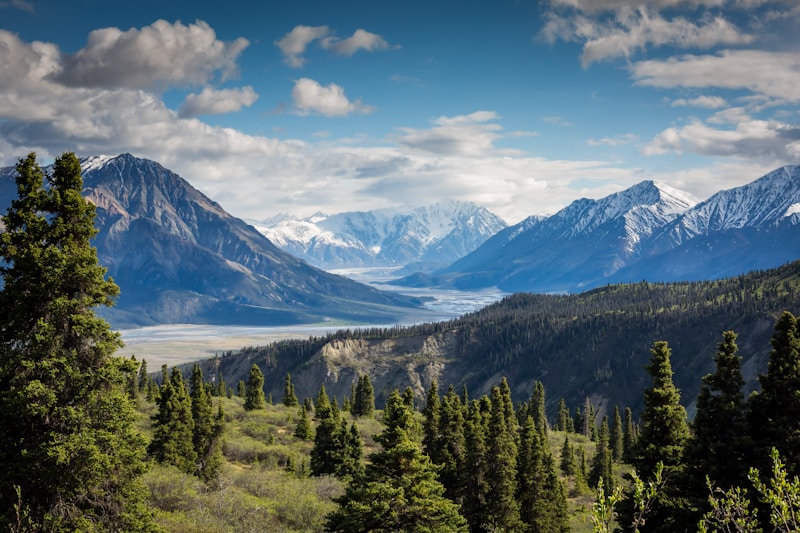 18 stops
St. Anton & Arlberg Wine Trail
 6 stops
Styrian Wine Slopes Trail
 9 stops
Wachau Heights Wine Trail
 8 stops
Vienna Woods Heuriger Trail
 12 stops
Kitzbühel: Hahnenkamm & Wine
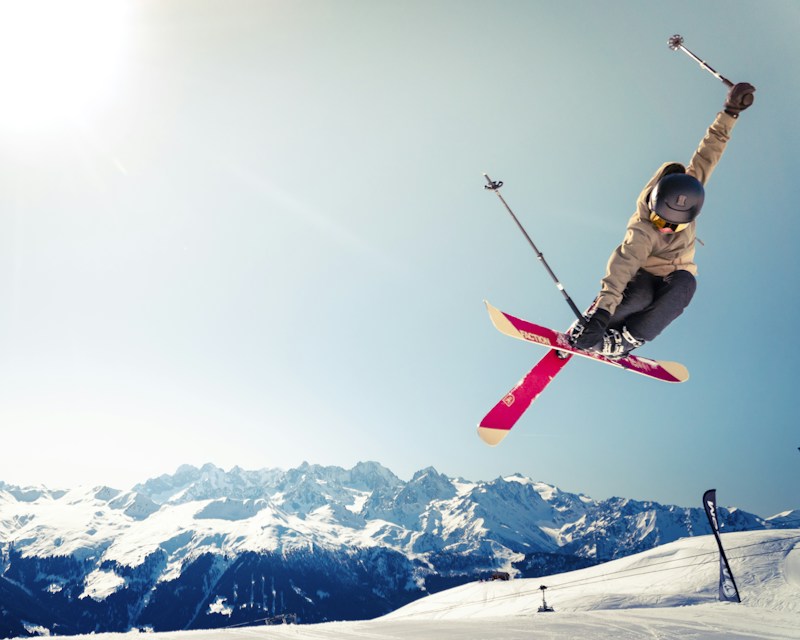
The Hahnenkamm is the most dangerous downhill in skiing — 85% gradient, 140km/h, 100,000 spectators every January. But Kitzbühel's wine culture runs deeper than race week. The Tennerhof cellar has been ageing bottles for 600 years. --- The Weisses Rössl vault dates to the 15th century — one of the oldest continuously operating wine cellars in the Tyrolean Alps. Leo Hillinger, Austria's most photogenic winemaker, runs a wine bar here bringing Burgenland reds 400km west to the mountains. During Hahnenkamm week, the Weißwurstparty at Stanglwirt is where Austrian business deals are sealed over Sekt and white sausage at 7am — the dress code is lederhosen, the stakes are real, and the champagne flows before most resorts open their lifts. Between the medieval streets, Weinherz organic wine shop proves Kitzbühel takes terroir as seriously as it takes the Streif. The town's 8,000 inhabitants swell to 100,000 during race week, but the wine bars stay intimate — regulars know that the best seats are at the Tennerhof bar on Tuesday evenings when the sommelier opens library bottles for locals. The Hahnenkamm crowd comes for the adrenaline. The wine crowd comes back for everything else.
 8 stops
Ischgl: Après-Ski Capital
They call it the Ibiza of the Alps, and they're not wrong — Elton John played the first Top of the Mountain concert in 1995. But behind the party reputation, Ischgl hides Austria's most surprising wine depth. --- The Trofana Royal holds 40,000+ bottles and 2 Michelin stars — one of the most decorated hotel wine programs in the Alps. Stüva's 12,000-bottle cellar pairs Wachau Riesling verticals with modernist cuisine in a stone-walled room that feels more Vienna than Tyrol. The Pardorama restaurant at 2,600m serves Austrian, Italian, and Swiss wine simultaneously — because from its terrace, you can see all three countries. The Kitzloch bar made global headlines as a Covid superspreader site in March 2020 — the party that literally stopped the world. It's still packed. Ischgl's most underrated secret: ski across the Fimbajoch pass to Samnaun in Switzerland, buy duty-free wine at prices that make Austrian retailers weep, and bring it back across the border. Legally. The customs-free zone exists because Samnaun was so isolated that Switzerland exempted it from import duties in 1892. That 134-year-old tax loophole is now the Alps' best wine deal.
 10 stops
Lech am Arlberg: Luxury Alpine Wine
Population 1,600. More 5-star hotels per capita than anywhere in Austria. Lech am Arlberg is where the Walser settlers arrived from Valais in the 1300s, bringing cheese-making and a dialect still spoken today. --- While neighbouring St. Anton invented après-ski chaos, Lech invented après-ski elegance. Griggeler Stuba holds 2 Michelin stars and a Wine Spectator Top 100 cellar in car-free Oberlech — you take a cable car to dinner, and the wine list rivals anything in Vienna. Hotel Arlberg's 15,000-bottle cellar was built by a family that has been hosting guests since the late 19th century. The Rüfikopf Friday sunset champagne at 2,350m is a reservation-only secret — no sign, no website, just word of mouth among returning guests who book the same week every year. The Weinberg Arlberg symposium brings international wine elite here every December, turning a village of 1,600 into a temporary capital of Austrian wine culture. Princess Diana skied here. So did the Dutch royal family. But the Walser farmers who settled these valleys 700 years ago — bringing their Valais cheese traditions and Alemannic German dialect — are the reason the food culture runs this deep. The cheese is still made the way they made it in the 1300s. The wine cellars just got better.
10 stops
Sölden: Bond, Glaciers & Wine
James Bond made Sölden famous when SPECTRE filmed at 3,048m — the glass cube Ice Q restaurant on the Gaislachkogl summit is now one of the highest fine-dining spots in the Alps. But Sölden's wine story starts 5,300 years earlier. --- Ötzi the Iceman was found in the Ötztal glacier in 1991 with grape seeds in his stomach — proof that wine culture in this valley predates Rome, predates written history, predates everything. The 5,300-year-old mummy is now in Bolzano, but his valley still drinks. Das Central hotel holds 30,000 bottles beneath the village in a cellar that the Falkner family has been building for three generations. The PINO 3000 bar at the glacier serves vertical tastings at an altitude where the air pressure changes how wine hits your palate — sommeliers debate whether it opens the aromatics or flattens them, and here you can test it yourself. During the World Cup opening each October — traditionally the first race of the alpine season — you can walk Marcel Hirscher's legendary giant slalom course and toast with Austrian Grüner Veltliner at 3,000m. The Ice Q restaurant (real name: that's what it's actually called) serves a 7-course tasting menu with wine pairing. Bond came for the location. The World Cup comes for the snow. You'll come for the wine and realise Ötzi had the same idea five millennia ago.