Switzerland
Part of the Alpine Grand Journey
Swiss Alps
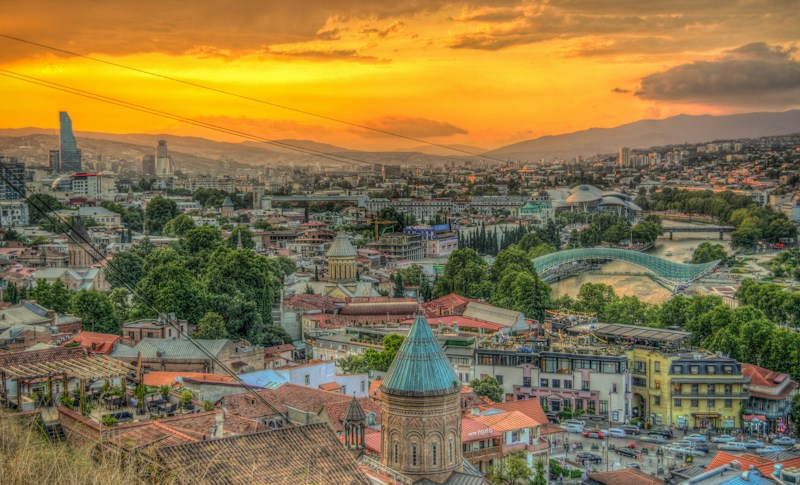 9 stops
Valais Glacier Wine Trail
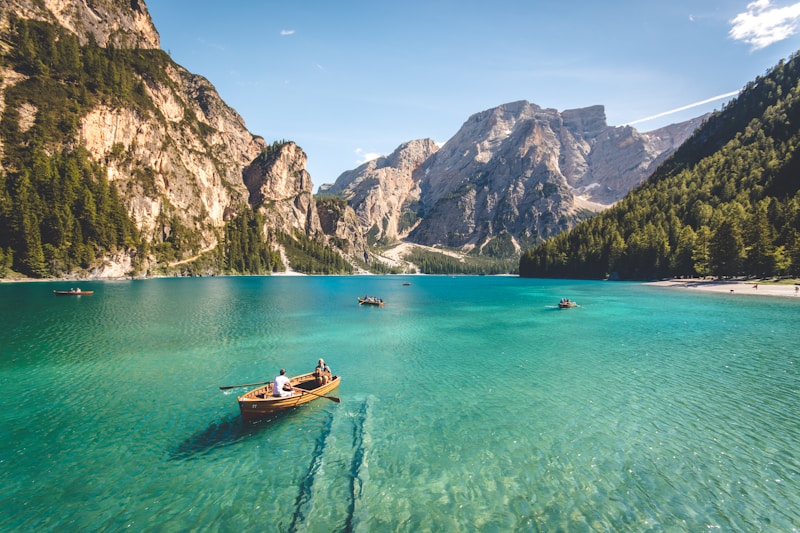 6 stops
Lavaux & Vaud Heights Wine Trail
 10 stops
Graubünden Alpine Wine Trail
 14 stops
Zermatt & Matterhorn Wine Trail
 28 stops
Grindelwald: Where the Eiger Meets the Vine
A 3-4 day wine journey beneath Europe's most notorious north face. From champagne gondolas at 2,970m to hidden wine cellars where climbers toasted survival, this trail weaves Swiss wine culture through one of the Alps' most dramatic landscapes. Watch the Matterhorn turn pink while sipping Heida grown at Europe's highest vineyards.
 15 stops
St. Moritz: Engadin Wine & Champagne
In 1864, hotelier Johannes Badrutt bet his British summer guests they'd love St. Moritz in winter. They stayed until spring. That bet invented the winter holiday. --- Badrutt's Palace holds 30,000 bottles and the Krug Stübli serves rare champagne in a room where monarchs once dined — the kind of place where you order by vintage, not by glass. White Turf brings horse racing to the frozen lake every February — champagne corks pop at -15°C while thoroughbreds thunder across ice that the Swiss Army tests for thickness each morning. At Piz Nair (3,057m), you drink wine above the clouds. Schloss Salenegg in nearby Maienfeld is Europe's oldest winery, documented since 1068 — nearly a thousand years of unbroken winemaking. The Herrschäftler festival turns the Bündner Herrschaft wine region into Switzerland's most exclusive open cellar event, where producers who normally sell everything by allocation pour freely for one weekend. And on the Weinwanderweg, you hike 6km through vineyards that produce cult Pinot Noir selling for 200+ CHF per bottle — the trail is free, but every step walks you past wine you can't buy without a waiting list. Gantenbein. Fromm. Donatsch. Names that Swiss wine collectors whisper.
 10 stops
Verbier: Festival & Fondue Wine
The freeride capital of Europe meets the wine heartland of Switzerland. Verbier sits above the Rhône Valley, where Valais — Switzerland's largest wine region — grows grapes on impossibly steep terraces below. --- Le Rouge's terrace explodes at 3pm with DJs, ski boots, and hedge fund managers toasting with local Petite Arvine. The Mont Fort summit (3,330m) offers four-country panoramas with Fendant in hand — France, Italy, Switzerland, and on clear days, a sliver of Austria. Farinet bar is named after Joseph-Samuel Farinet, a counterfeiter hanged in 1880 who became a folk hero — the Robin Hood of the Valais. The Xtreme Verbier freeride competition on the Bec des Rosses face is visible from every wine terrace in the village — athletes drop 500m of near-vertical couloir while you hold your glass steady. In summer, the Fully wine day trip drops 2,000m into the valley's most acclaimed vineyards. Marie-Thérèse Chappaz — the 'Queen of Valais,' whose Petite Arvine and Ermitage wines score 95+ from Jancis Robinson — pours just 15 minutes away. Cornalin, Humagne Rouge, Amigne: these are grapes that exist almost nowhere else on earth, growing on granite terraces that the Romans first planted and the Valais farmers have maintained for 2,000 years. The freeride crowd comes for the adrenaline. They stay for the wine nobody back home has ever heard of.
 10 stops
Gstaad: Palace Hotel & Alpine Wine
The Gstaad Palace has perched on its hilltop since 1913, hosting royalty, rock stars, and the quietly wealthy. The village banned neon signs and enforced chalet architecture — discreet luxury before Instagram made it a brand. --- The Palace's 25,000-bottle cellar holds Swiss wines that never leave the building — Completer (a grape so rare fewer than 5 hectares exist worldwide), Humagne Rouge, and vertical Dézaley from Lavaux's UNESCO terraces. The GreenGo nightclub in the Palace basement has hosted Roger Moore, Elizabeth Taylor, and Julie Andrews since 1971 — the guest list reads like a 20th-century social register. The Menuhin Festival, founded by violinist Yehudi Menuhin in 1957, brings world-class classical music to a ski village every summer — musicians perform in a purpose-built tent while the Bernese Alps provide the backdrop. The Gruyère cheese trail runs through nearby pastures where they still make the cheese by hand. Glacier 3000 offers a suspension bridge between two mountain summits. And at Rössli (since 1845), you taste the authentic Gstaad that existed before the billionaires: fondue, Vaudois white, and a dining room where farmers and five-star guests share the same menu because in Gstaad, that's the point.
 10 stops
Crans-Montana: Terroir at Altitude
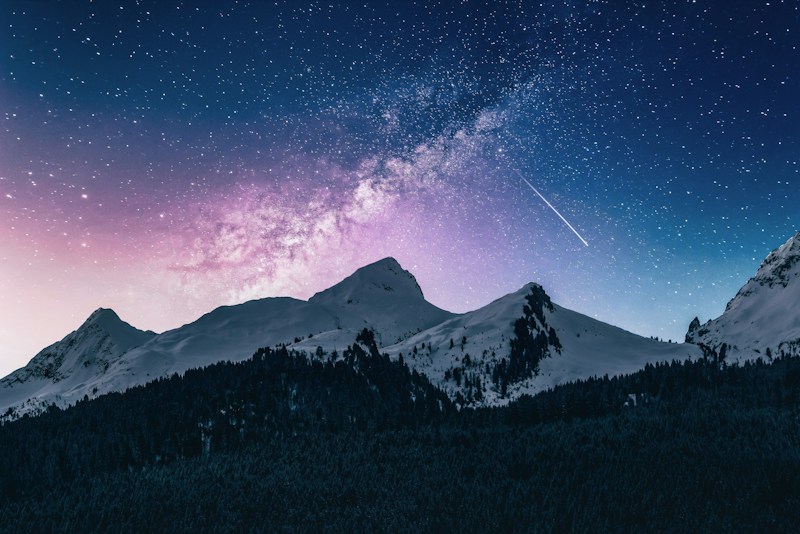
Crans-Montana sits at 1,500m on a sun-drenched plateau directly above Sierre — Switzerland's driest city and the self-proclaimed wine capital of Valais. The Piste des Vignes is the only ski run in the world that ends in a vineyard. --- That's not marketing — you literally ski through the vines on the last 200 metres. The Omega European Masters golf tournament brings global attention every September, but the wine scene operates year-round. Cave du Chevalier stocks 500+ Swiss wines in a cellar carved into the hillside. Pas de l'Ours holds a Michelin star, and the sommelier will walk you through vertical Cornalin tastings that prove Swiss reds can age. The Bisse du Ro is one of the Valais' ancient irrigation canals — a walking trail carved into cliff faces centuries ago to channel glacial meltwater to the vineyards below. Following it connects Alpine wilderness to vine terraces in a single afternoon. The Plaine Morte glacier at 2,927m is the largest glacial plateau in the western Alps — and the meltwater from this glacier feeds the vineyards 1,400 metres below. South-facing slopes, 300 days of sunshine, and the driest climate in Switzerland grow Petite Arvine and Cornalin in conditions more Mediterranean than Alpine. Every bottle from Sierre carries this paradox: Swiss precision, southern soul.
 9 stops
Saas-Fee: Pearl of the Alps Wine
The Pearl of the Alps is car-free, glacier-fed, and surrounded by 13 peaks above 4,000m — more than any other resort in Switzerland. Saas-Fee's isolation preserves something rare: a mountain village where wine culture means hiking to it. --- The Mittelallalin ice pavilion at 3,500m is the world's highest revolving restaurant — every 60 minutes, the entire dining room completes a rotation while you eat raclette and drink Fendant with a view that encompasses 30 glaciers. The gorge trail winds through the Fee Gorge with waterfalls thundering beside you through ice-carved chambers. Petite Arvine is Valais' most exciting grape — aromatic, mineral, with a grapefruit-and-saline finish that Jancis Robinson calls 'one of the great Swiss originals.' It grows nowhere else in the world at this quality, and the village wine bars pour it alongside fondue made with cheese from the dairy 200 metres away. Summer glacier skiing means you can drink wine at altitude year-round. The Saaser Museum tells the story of a community that has survived at 1,800m for centuries — avalanches, isolation, and a dialect so specific that neighbouring valleys struggle to understand it. Thirteen 4,000m peaks create a natural amphitheatre that blocks weather systems, giving Saas-Fee its own microclimate. The village feels like it exists outside of time. The wine confirms it.
9 stops
Wengen: Car-Free Alpine Wine Village
No cars. No roads. Just a cog railway climbing 400m from Lauterbrunnen to a village frozen in time beneath the Eiger North Face. Wengen hosted the first Lauberhorn downhill in 1930 — still the longest race on the World Cup circuit. --- At 4.5km, the Lauberhorn is a test of endurance more than speed — racers hit 160km/h on the Hundschopf jump while the Eiger, Mönch, and Jungfrau loom overhead. The Hotel Regina wine cellar has been pouring since the Victorian era, when British climbers made Wengen their base camp for Eiger attempts. The Jungfraujoch summit (3,454m) is Europe's highest railway station — wine at the top tastes genuinely different because lower air pressure changes how aromatics reach your palate. It's not imagination; it's physics. The Männlichen Royal Walk offers panoramic views of the entire Bernese Oberland trinity. Lauterbrunnen valley below holds 72 waterfalls, including Trümmelbach — a series of cascades thundering inside the mountain itself, accessible through tunnels carved into the rock. This is the Alps before the automobile — and the wine culture matches. No delivery trucks, no chain restaurants, no shortcuts. Everything arrives by train, including the bottles, including you.
 8 stops
Davos: Where the World Meets Wine
Every January, the World Economic Forum transforms Davos into the planet's most powerful wine bar — heads of state and CEOs negotiate over Swiss wines at private chalets. But Davos was famous long before WEF. --- Thomas Mann set 'The Magic Mountain' at the Schatzalp sanatorium in 1924, turning a tuberculosis clinic into one of literature's most enduring settings. The Schatzalp is now a hotel — you can sleep where Hans Castorp philosophised, and the restaurant serves local wine in the dining room Mann described. The Kirchner Museum holds the largest collection of Ernst Ludwig Kirchner's expressionist paintings — he lived in Davos from 1918 until his death in 1938, painting the mountains that healed and haunted him. The Parsenn ski area offers the longest descent in the region at 12km. Maienfeld — Heidi's village and home to cult Pinot Noir producer Gantenbein (200+ CHF per bottle, allocation only) — is a 30-minute drive for a day trip. The Jakobshorn après-ski scene is younger and wilder than St. Moritz, while the Sertig Valley walk offers solitude that the WEF crowd will never find. Wine and power have shared these streets since the 1970s. The rest of the year, Davos remembers it was a place of healing before it was a place of dealing.