CHAPTER 1
Campania Felix
28 stops across Southern Italy
28 stops across Southern Italy
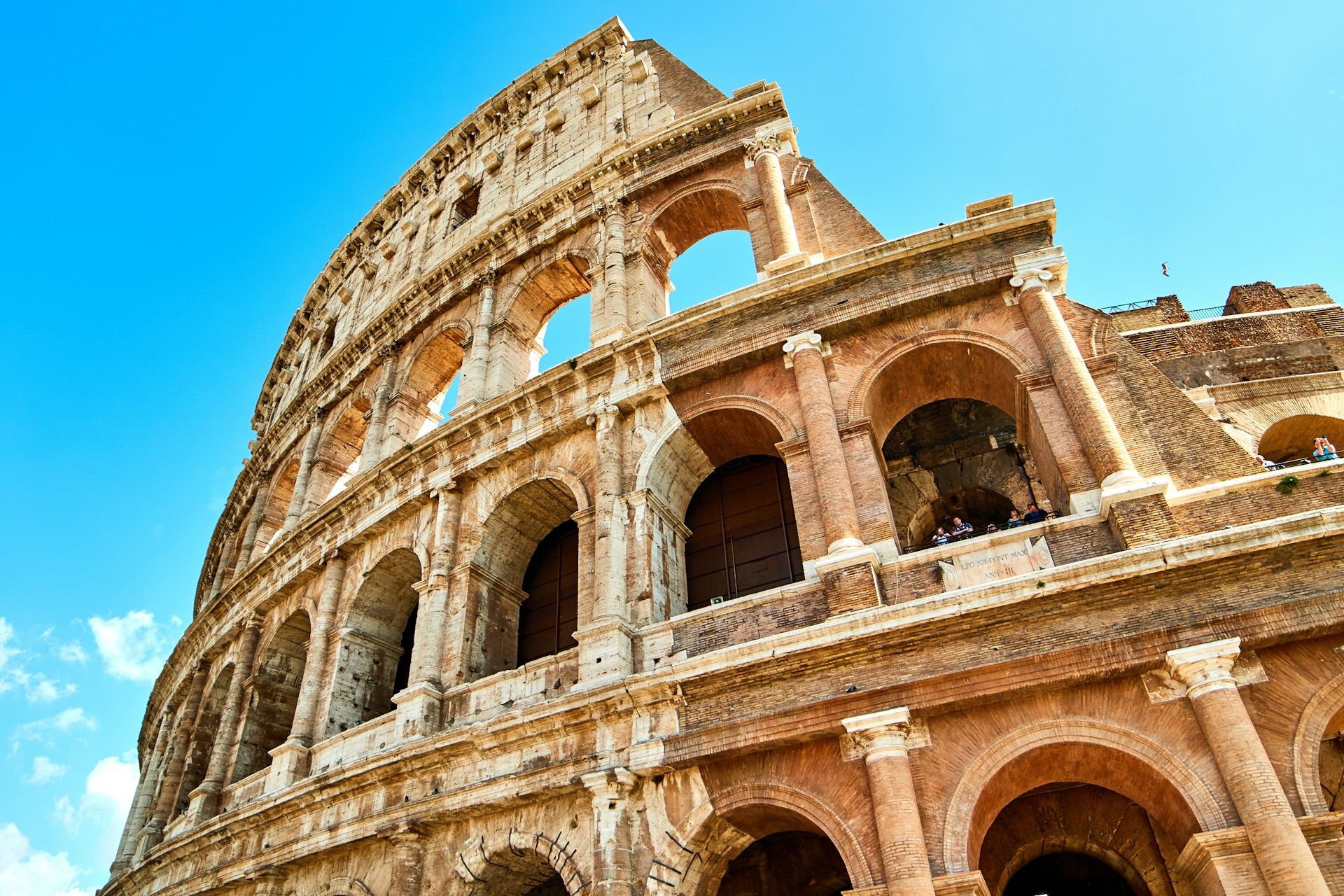
Walk where emperors walked. Drink where legions celebrated. A journey through 2,000 years of wine history.
Here's the thing about Roman wine history—it's not some dusty museum stuff. These people planted vineyards everywhere they went. Burgundy? Romans. Bordeaux? Romans. The Mosel's insane 65-degree slopes? Roman soldiers carved those by hand. When you stand in these places and taste wines from vines that have been growing for 2,000 years, something clicks.
I built this journey because I wanted to connect all those dots myself. 337 stops, 8 countries, the whole ancient wine world laid out so you can actually do it. Finish the whole thing and you'll earn the Laurel Crown—our way of saying you've done something most wine lovers only dream about.
Each chapter explores a distinct region of the ancient Roman wine world
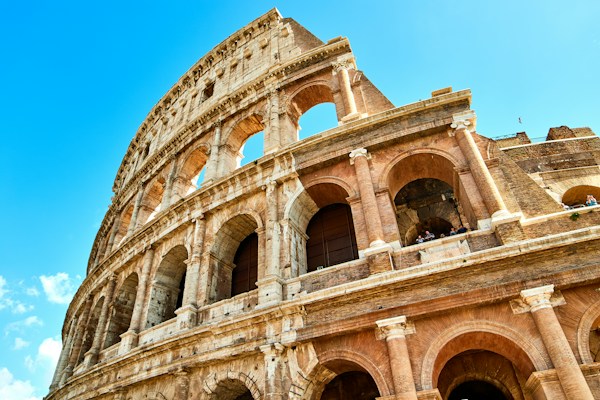
Where Roman wine culture began. Pompeii, Herculaneum, and the slopes of Vesuvius.
Tuscany before Rome. Etruscan wine traditions that predated the empire.
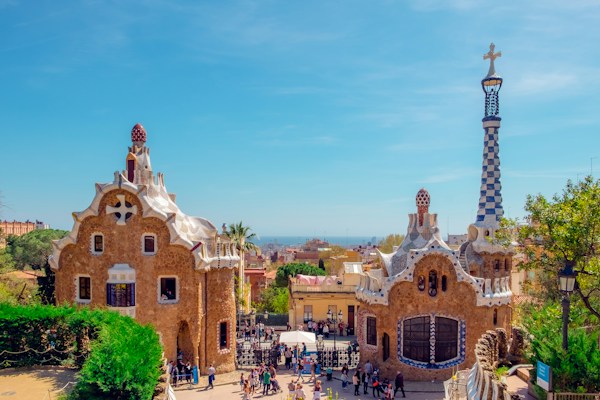
Northern Italy's Roman heritage. Piedmont, Lombardy, and the Po Valley.

Provence and the Rhone. The first Roman province outside Italy.
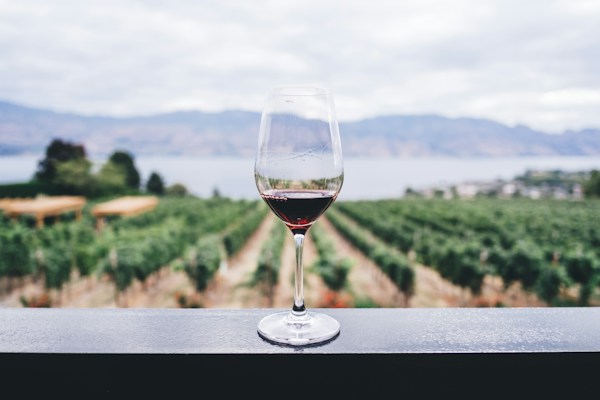
Bordeaux and the Southwest. Romans introduced Biturica grape—ancestor of Cabernet.
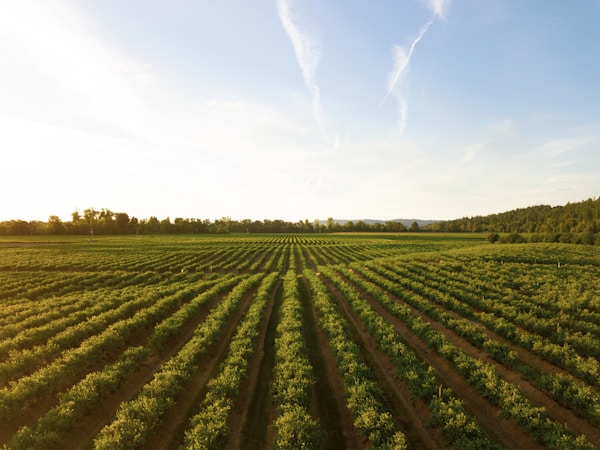
Burgundy, Champagne, and the Loire. Rome's northernmost vineyards.
The Mosel and Rhine. Roman soldiers planted vines on these steep slopes.
Rioja, Priorat, and Catalonia. Spanish wine born under Roman rule.
Portugal's Douro and Alentejo. Roman amphoras found in Port cellars.
Croatian coast to Slovenia. Diocletian's retirement palace and ancient cellars.
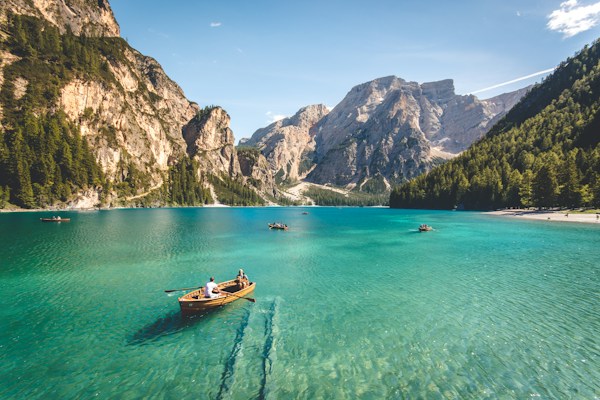
Greece under Rome. Santorini, Nemea, and wines Rome imported by the shipload.
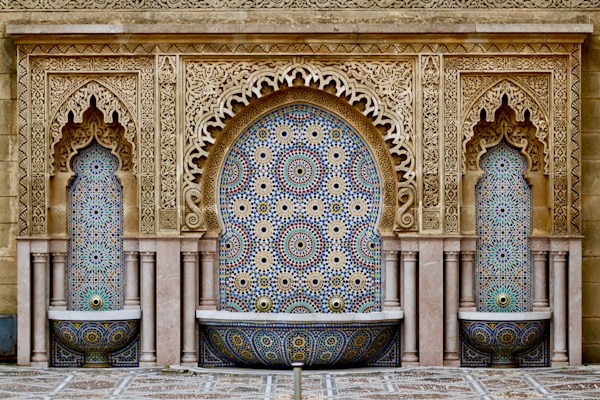
Tunisia and Morocco. Rome's granary was also a wine powerhouse.
337 stops. That's not a weekend trip—it's a proper obsession. Most people will cherry-pick their favorites (totally valid). But if you actually complete the whole thing? You'll know more about Roman wine history than most sommeliers, and you'll have the Laurel Crown to prove it.
6 more epic wine adventures await