The Friendship
In 1782, a 13-year-old Corsican cadet named Napoleon Bonaparte enrolled at the military academy in Brienne-le-Chateau, about 120 miles southeast of Paris. Among the local families he encountered was Jean-Remy Moet, who would inherit the champagne house his grandfather Claude had founded in 1743.
The details of their first meeting are lost to history. What survives is the relationship it produced: a friendship between a future emperor and a champagne merchant that would shape both the Napoleonic Wars and the champagne industry in ways neither could have anticipated.
The friendship was genuine but also strategic. Napoleon needed a reliable supply of champagne — for his officers, for diplomatic occasions, for the relentless entertaining that accompanied military campaigns. Moet needed a customer who could make his brand famous across every capital in Europe. Each got exactly what he wanted.
The Orders
Did Napoleon really visit Moet before every military campaign?
Archives at Moet & Chandon preserve orders from “Napoleon Bonaparte, First Consul” dated August 15, 1801. The orders are specific, frequent, and large — the paperwork of a man who treated champagne as military logistics rather than luxury.
Napoleon visited Moet’s cellars in Epernay before every major campaign. The visits were documented — a marble plaque at the house still commemorates his 1807 tour of the caves. The routine was consistent: arrive, inspect, order, depart for war. Champagne was as much a part of campaign preparation as ammunition.
Jean-Remy understood his customer. He built a replica of the Grand Trianon at Versailles as guest quarters specifically for Napoleon and Josephine. The gesture was extravagant, calculated, and effective — it reinforced Moet as the champagne of empire, not merely of commerce.
The Scale
How many bottles of champagne did Napoleon give his troops?
Before the Battle of Brienne in January 1814 — fought, with savage irony, at the same town where Napoleon had attended military school — 300,000 bottles of champagne were distributed to troops. The number is staggering: enough for roughly one bottle per soldier in Napoleon’s army at that point in the campaign.
This wasn’t generosity. It was policy. Napoleon understood that champagne served a military purpose beyond morale. It projected power. When his officers arrived at foreign courts carrying bottles of French champagne, they carried France’s cultural authority with them. The wine was propaganda in liquid form.
The famous quote attributed to Napoleon — “I drink champagne when I win, to celebrate… and I drink champagne when I lose, to console myself” — captures the philosophy perfectly. Champagne was not a reward for victory. It was a constant, present in triumph and defeat alike, because its purpose was not celebration but identity.
The Empire of Champagne
Napoleon’s conquests inadvertently built the champagne industry’s export network. Every city his army occupied was introduced to champagne. Every peace treaty was toasted with it. Every diplomatic reception featured it. By the time Napoleon fell, champagne had been tasted in every major court from Moscow to Madrid.
The champagne houses understood this and exploited it ruthlessly. When Napoleon was exiled to Elba in 1814, the Widow Clicquot — who had her own extraordinary story — immediately chartered a Dutch ship to Russia, knowing that the Russian market, primed by decades of French military presence, was desperate for champagne. She was right. Her shipment arrived before any competitor’s, and Russian demand for Veuve Clicquot exploded.
Moet followed a similar strategy, using the diplomatic channels Napoleon had opened to establish permanent export relationships. The empire fell, but the champagne network it created survived and expanded.
The Sabrage Connection
How did Napoleon’s soldiers invent sabrage?
Napoleon’s cavalry, the Hussars, created what might be champagne’s most dramatic tradition: sabrage — opening a bottle with a sabre.
The legend holds that Hussars, still mounted after battle, would draw their sabres and strike the lip of a champagne bottle to open it without dismounting. The glass at the bottle’s seam, weakened by the internal pressure of 90 PSI, would shear clean off.
Madame Clicquot reportedly gave champagne to Napoleon’s officers when they passed through Reims. The young Hussars sabered bottles to impress the “rich young widow” — though whether she was actually impressed or merely entertained is not recorded.
Sabrage is still practiced today, usually with less military urgency and more theatrical flair. The technique works because of physics, not strength: a confident slide of the blade along the seam to the lip creates a clean break. The pressure inside the bottle does the actual work.
The Fall
Napoleon’s relationship with champagne ended where it began — in the Champagne region. The 1814 Campaign of France, his last stand before exile, was fought across the same countryside where champagne grapes grew. The Battle of Brienne, on January 29, was fought in the town where he’d gone to school and met Jean-Remy Moet three decades earlier.
He won at Brienne. He lost at La Rothiere three days later. He won again at Champaubert, Montmirail, and Vauchamps. But the mathematics of war were against him — the allied coalition was simply too large, and Paris fell on March 31, 1814.
Napoleon abdicated on April 6 and was exiled to Elba. Jean-Remy Moet, ever the pragmatist, pivoted to selling champagne to the victors — who were about to spend 40 million francs at the most expensive party in history. The allied armies occupying Champagne drank enthusiastically — the Russian forces in particular consumed champagne at a rate that impressed even the locals.
The Cellars Today
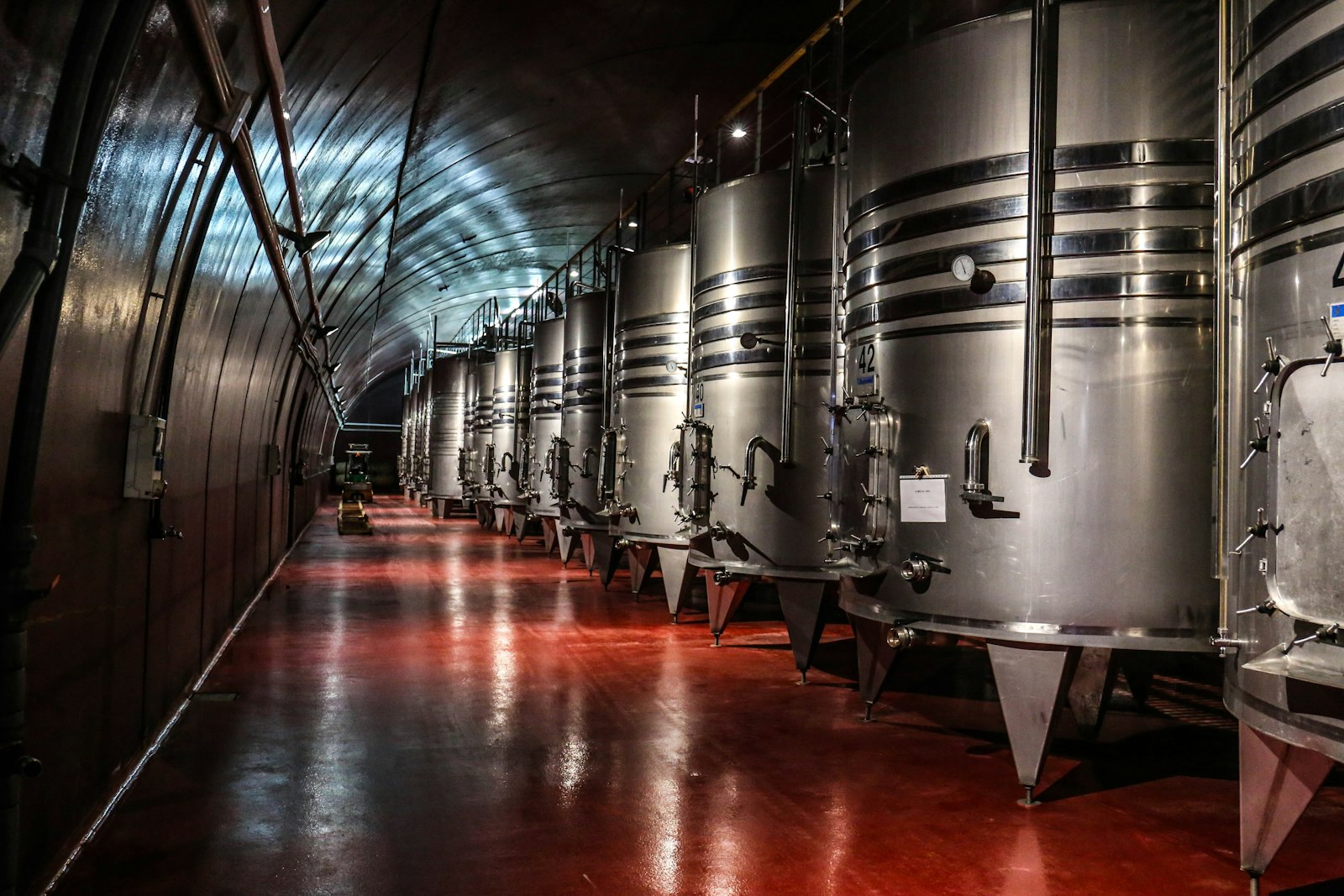
Moet & Chandon’s cellars in Epernay are the most visited champagne cellars in the world. The house sits on the Avenue de Champagne — a street so named because nearly every building on it belongs to a champagne house, and the cellars beneath it contain an estimated 200 million bottles.
The Moet visit includes the Napoleon plaque, the vast chalk cellars (28 kilometers of tunnels), and tastings that range from Brut Imperial to Grand Vintage. The connection to Napoleon is part of every tour — guides tell the story of the friendship, the visits, and the 300,000 bottles at Brienne.
The Imperial Brut, Moet’s flagship, references Napoleon directly. The star on the label traces back to the 1811 Comet Vintage — the year of the Great Comet, which appeared during Napoleon’s preparations for the invasion of Russia. The 1811 harvest was the finest of the century, and merchants marketed “Comet Wine” for years afterward.
Epernay is 90 minutes from Paris by train, and the Avenue de Champagne is walkable — Moet, Perrier-Jouet, Pol Roger, and De Castellane are all within a few hundred meters of each other. If Napoleon could visit before every campaign, you can visit on a day trip.
FAQ
How did Napoleon know Moet?
Napoleon Bonaparte met Jean-Remy Moet through attending military school at Brienne-le-Chateau in 1782, near the Moet family’s champagne operations. The friendship lasted three decades and was both genuine and strategic — Napoleon needed a reliable champagne supply for military campaigns and diplomacy, while Moet gained the most famous customer in Europe. Archives at Moet & Chandon still preserve orders from “Napoleon Bonaparte, First Consul” dated 1801.
How many bottles did Napoleon give his troops?
Before the Battle of Brienne in January 1814, 300,000 bottles of champagne were distributed to Napoleon’s troops — roughly one bottle per soldier in his army at that point. This wasn’t generosity; it was policy. Napoleon understood that champagne projected French cultural authority. When his officers arrived at foreign courts carrying French champagne, they carried France’s power with them. The wine was propaganda in liquid form.
What is sabrage?
Sabrage is the art of opening a champagne bottle with a sabre, created by Napoleon’s cavalry, the Hussars. After battle, still mounted on horseback, they would draw their sabres and strike the lip of a champagne bottle to open it without dismounting. The physics is straightforward: a confident slide of the blade along the bottle’s seam to the lip creates a clean break, and the 90 PSI of internal pressure does the actual work. Legend has it the Hussars sabered bottles to impress the Widow Clicquot when passing through Reims.
Can you visit the Moet & Chandon cellars?
Absolutely. Moet & Chandon’s cellars in Epernay are the most visited champagne cellars in the world. The tour includes 28 kilometers of chalk tunnels, Napoleon’s commemorative plaque, and tastings from Brut Imperial to Grand Vintage. Epernay is 90 minutes from Paris by train, and the Avenue de Champagne is walkable — Moet, Perrier-Jouet, Pol Roger, and De Castellane are all within a few hundred meters of each other.
Napoleon’s champagne habit is one of 12 moments champagne changed history. The party that followed his defeat — the Congress of Vienna — cost 40 million francs and is told in History’s Most Expensive Party. The woman who exploited his fall to build an empire of her own is in The Widow Who Smuggled Champagne in Coffee Barrels.
Sources: Moet & Chandon House Archives — Napoleon Correspondence and Order Records, Decanter — “Napoleon and Champagne: The Emperor’s Obsession”, Comite Champagne — History of the Champagne Region, [Don & Petie Kladstrup, “Champagne: How the World’s Most Glamorous Wine Triumphed Over War and Hard Times” (William Morrow, 2005)], Epernay Tourism Office — Avenue de Champagne Visitor Guide. Walk in Napoleon’s footsteps with our Champagne Odyssey trail or read about visiting Champagne.