The Discovery
What was in the Winter Palace wine cellar when the Bolsheviks found it?
November 1917. The Bolsheviks had seized the Winter Palace, overthrown the Provisional Government, and declared a new Soviet state. The revolution was supposed to be orderly — disciplined soldiers serving the will of the people. Then someone found the wine cellar.
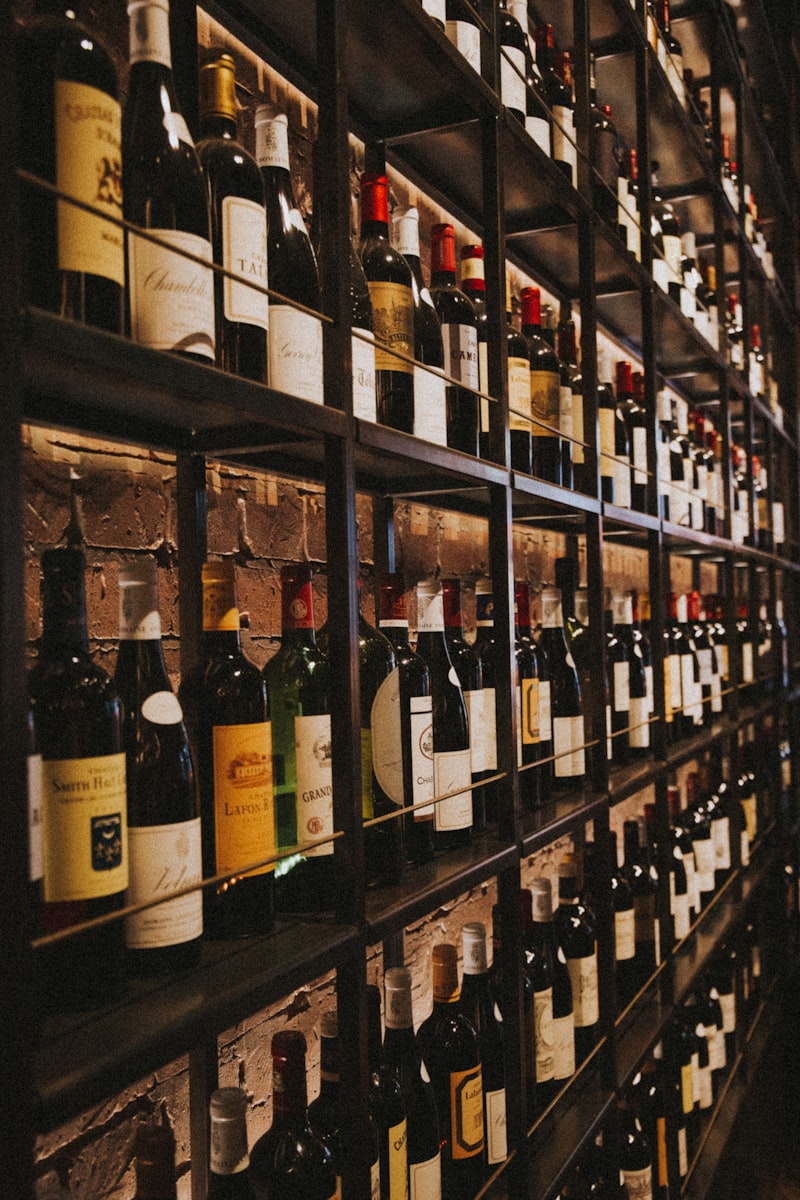
The Winter Palace held what was widely described as the largest wine cellar in the world. Generations of Romanov tsars had accumulated bottles from every great wine region in Europe: Champagne from the finest French houses — including Cristal, the assassination-proof bottle that Tsar Alexander II had commissioned from Louis Roederer — Tokay from the time of Catherine the Great, Burgundy, Bordeaux, port, Madeira, brandy. The collection represented centuries of imperial purchasing power directed at a single obsession.
The soldiers discovered it. And everything went sideways.
The Chaos
Louis de Robien, a French diplomat who witnessed the aftermath, recorded the scene: “Last night the tovariches looted the cellars of the Winter Palace.”
What followed was a days-long bacchanal that threatened to unravel the revolution. Soldiers broke into the cellars. Word spread. More soldiers came. Then civilians. The drinking was immediate, massive, and uncontrollable. People who had been disciplined revolutionary fighters hours earlier were staggering through the courtyards and fountains of the Winter Palace.
The Bolshevik leadership recognized the danger immediately. A revolution cannot function when its soldiers are incapacitated. They attempted to destroy the wine.
The Destruction
How did the Bolsheviks try to destroy the Tsar’s wine?
The methods escalated in desperation.
They shot the barrels. Wine poured out. People caught it in buckets, cups, hats — whatever they could find.
They poured wine down the drains. People lay down in the gutters and drank from the street.
They threw bottles into the Neva River. People jumped into the freezing water after them. De Robien wrote that crowds gathered at the drainage points “like shoals of silver mullet at an effluent pipe.”
They tried posting armed guards at the cellar entrances. The guards drank.
They tried sealing the cellars. People broke through the seals.
The problem was fundamental: you cannot order people who have spent their lives in poverty to walk past the greatest collection of luxury alcohol on earth and not touch it. The revolutionary ideology said this wealth belonged to the people. The people agreed, and they were drinking it.
The Losses
What rare wines were lost during the Russian Revolution?
The destruction was catastrophic from a wine perspective. Bottles of Tokay from Catherine the Great’s era — 18th-century wines that would be priceless today — were consumed or smashed by people who had no idea what they were drinking. The Duma cellars separately lost 36,000 bottles of brandy, deliberately smashed by revolutionaries who thought destroying bourgeois luxury was ideologically correct.
Elsewhere in the city, an estimated 3 million rubles worth of champagne was destroyed in other raids on aristocratic cellars. The figure is hard to verify — nobody was taking inventory while people were drinking from gutters — but multiple contemporary accounts agree that the scale of destruction was enormous.
Wine that had survived the Napoleonic Wars, the Crimean War, and a century of imperial upheaval was lost in a matter of days.
Martial Law
Only the declaration of martial law in December 1917 finally stopped the rampage. Armed Bolshevik detachments enforced sobriety with the threat of execution. The remaining wine was systematically destroyed under guard — poured out in controlled fashion, with soldiers who tried to drink it arrested.
The Bolshevik leadership drew a lesson from the experience: alcohol was a threat to revolutionary discipline. Early Soviet policy restricted alcohol severely. The irony was thick — a revolution fought in the name of the people’s liberation from oppression began its relationship with those same people by confiscating their newfound alcohol and threatening to shoot anyone who objected.
The Context
The Winter Palace wine cellar incident wasn’t unique in revolutionary history. When the Paris mob stormed the Tuileries Palace in 1792, they drank the royal wine. When the Congress of Vienna ran up a 40-million-franc tab in 1814, the champagne flowed for five months straight. When armies sack cities, the cellars are among the first targets. What made the 1917 episode different was its scale — the sheer volume of wine, the number of people involved, and the genuine threat it posed to the revolution’s functionality.
The Bolsheviks needed sober soldiers to consolidate power, fight the emerging civil war, and establish control over a vast country. A city full of drunk revolutionaries was the opposite of useful. The fact that the chaos lasted days — despite escalating attempts to stop it — demonstrates how powerful the combination of extreme deprivation and sudden access to unimaginable luxury can be.
The Hermitage Today
The Winter Palace is now the Hermitage Museum, one of the largest and most prestigious art museums in the world. The wine cellars no longer contain wine — they were never restocked. The spaces have been repurposed for storage and museum functions.
But the building itself is visitable, and it’s staggering. Three million items across six buildings along the Neva River. The staterooms where tsars once dined (and where the wine flowed up from the cellars below) are now galleries hung with Rembrandt, Da Vinci, and Matisse.
If you stand in the courtyard where soldiers once staggered between wine barrels, you’re standing in one of the most architecturally magnificent spaces in Europe. The fountains still work. The facades are still painted their distinctive mint green. The only thing missing is what was arguably the palace’s most legendary feature — the cellar that almost stopped a revolution.
FAQ
What happened to the Tsar’s wine cellar during the Russian Revolution?
Red Army soldiers discovered the Winter Palace wine cellar — widely described as the largest in the world — after seizing the palace in November 1917, and chaos erupted. Days of uncontrolled drinking threatened to derail the entire revolution. The Bolshevik leadership tried everything to stop it: shooting barrels, pouring wine down drains, posting armed guards. Nothing worked until martial law was declared in December 1917. Irreplaceable bottles from centuries of Romanov collecting were lost forever.
How much wine was in the Winter Palace?
The exact inventory was never recorded, but contemporary accounts describe it as the largest wine cellar in the world. Generations of Romanov tsars had accumulated champagne from France’s finest houses, Tokay from Catherine the Great’s era, Burgundy, Bordeaux, port, Madeira, and brandy. Elsewhere in St. Petersburg, an estimated 3 million rubles worth of champagne was destroyed in raids on other aristocratic cellars. Bottles of 18th-century Tokay that would be priceless today were consumed or smashed by people who had no idea what they were drinking.
How did the Bolsheviks try to stop the drinking?
With escalating desperation. They shot wine barrels — people caught the wine in buckets and hats. They poured wine down the drains — people lay in the gutters and drank from the street. They threw bottles into the Neva River — people jumped into the freezing water after them. They posted armed guards at the cellar entrances — the guards drank. They sealed the cellars — people broke through. Only the declaration of martial law and the threat of execution finally stopped the rampage in December 1917.
Can you visit the Winter Palace wine cellars today?
The Winter Palace is now the Hermitage Museum, one of the world’s greatest art museums, with three million items across six buildings along the Neva River. However, the wine cellars themselves no longer contain wine — they were never restocked after the revolution and have been repurposed for storage and museum functions. You can visit the palace’s staterooms and courtyards where the chaos unfolded, but the cellars are not part of the public tour.
The story of Russia and champagne doesn’t end with the Revolution. The Tsar’s personal champagne — Cristal, the assassination-proof bottle — survived the dynasty that created it and became one of the world’s most famous luxury brands. Explore the full history of champagne and power from Sumerian beer goddesses to Baltic shipwrecks.
Sources: Smithsonian Magazine — “The Booze That Fueled the Russian Revolution”, Louis de Robien, “The Diary of a Diplomat in Russia, 1917-1918” (published 1969), The Hermitage Museum — History of the Winter Palace (hermitagemuseum.org), Mark Lawrence Schrad, “Vodka Politics: Alcohol, Autocracy, and the Secret History of the Russian State” (Oxford University Press, 2014), Jancis Robinson MW — Russia and Wine (jancisrobinson.com). The full story of Russia’s obsession with champagne continues in The Complete History of Champagne.