Why Champagne Is Different From Every Other Wine Region
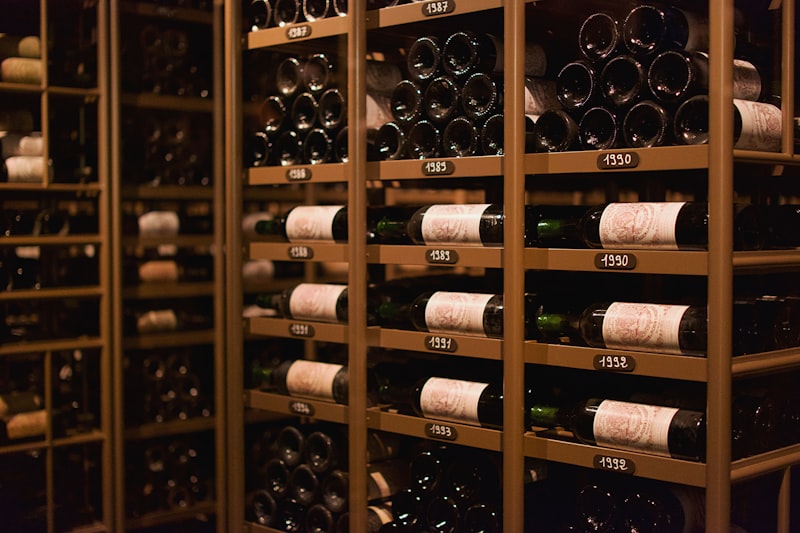
Champagne is the only major wine region where most of the action happens underground. The chalk caves — called crayeres — extend over 200 miles beneath Reims, Epernay, and the surrounding villages. These are not decorative cellars. They are Roman-era quarries repurposed over centuries, now holding hundreds of millions of bottles at a constant 10-12°C. During World War I, they sheltered thousands of civilians through 1,000 days of bombing.
This means Champagne’s greatest experiences are subterranean. You descend into the earth, walk through tunnels carved by Romans, and emerge understanding why this specific place makes this specific wine. No other wine region offers that.
The region is also small — about 90 minutes from Paris by train — and concentrated. Reims and Epernay are 30 minutes apart, and almost everything worth visiting falls between them. You can see more of Champagne in three days than you could see of Burgundy or Bordeaux in a week.
The Three Towns You Need to Know
Reims: The Cathedral City
Reims has the big names: Taittinger, Pommery, Veuve Clicquot, Ruinart, Martel. The cellars here are enormous — Pommery alone has 18 kilometers of tunnels — and the tours are polished, multilingual, and well-organized. This is where most visitors start.
But Reims is more than cellars. The cathedral — where 25 French kings were crowned, from Clovis in 496 to Charles X in 1825 — was 80-90% destroyed in WWI and rebuilt over decades. The stained glass includes windows by Marc Chagall, installed in 1974. The combination of coronation history and wartime destruction makes it one of France’s most emotionally complex buildings.
For cellars, Taittinger is the most atmospheric (their caves include a 13th-century crypt), Pommery is the most architecturally dramatic (Elisabetta Farnese carved a staircase into the chalk in 1868), and Veuve Clicquot has the strongest story (the Widow, the riddling table, the smuggled coffee barrels).
Charles Heidsieck — the house founded by “Champagne Charlie,” who was imprisoned as a spy during the American Civil War, then discovered he owned a third of Denver — descends 106 steps to Roman-era crayeres. The tour tells the Champagne Charlie story, which is legitimately one of the best adventure tales in wine history.
Full story: 7 Champagne Cellars Worth Flying to Reims For
Epernay: The Avenue of Champagne
Epernay is where champagne lives. The Avenue de Champagne — a single street lined with champagne houses — sits above an estimated 200 million bottles stored in tunnels beneath. Moet & Chandon, Perrier-Jouet, Pol Roger, and De Castellane are all within walking distance.
Moet is the most visited champagne cellar in the world. The tour includes 28 kilometers of tunnels, the marble plaque commemorating Napoleon’s 1807 visit, and tastings ranging from Brut Imperial to Grand Vintage. The connection to Napoleon is woven through every room.
Pol Roger is smaller, more intimate, and inseparable from Churchill. The cellars where the “most drinkable address in the world” stored Churchill’s favorite wine are still in use. The Cuvee Sir Winston Churchill was created in his honor, and Pol Roger bordered their labels in black for twelve years after his death.
For something unexpected, walk past the famous houses to the smaller producers at the end of the avenue. Grower champagnes — marked “RM” (Recoltant-Manipulant) on the label — are made by families who grow their own grapes and make their own wine. They cost less than the grand marques and often offer more character.
Hautvillers: The Village on the Hill
Hautvillers is five minutes from Epernay and feels like a different century. This is where Dom Perignon — the man, not the brand — worked as cellar master at the abbey from 1668 to 1715. He’s buried inside the church (not in the cemetery, as many assume).
The village is tiny, beautiful, and strategically elevated above the Marne Valley. The Belvedere Dom Perignon viewpoint on Rue de Cumieres provides a panoramic view across UNESCO-listed vineyards that is, honestly, one of the best views in French wine country. The view stretches toward Cumieres, Epernay, and the River Marne, across what looks like an infinite sea of vines.
For the best experience, arrive at Les Tuileau — a picnic area above the village — at golden hour. This is where locals watch the sunset with champagne. Bring a bottle and a blanket. Nobody will bother you, and the view is free.
Full guide: Free Champagne Viewpoints: Where to Picnic Above the Vineyards
The Experiences Tourists Miss
The Remueur: Meeting a Hand-Riddler
A remueur — a hand-riddler — turns between 40,000 and 75,000 bottles per day. Each bottle gets a short, sharp rotation — an eighth, a sixth, or a quarter turn — that gradually coaxes the sediment toward the neck over four to six weeks. The work is done alone, in silence, in chalk caves at 10°C. It is one of the most solitary and ancient jobs in winemaking.
Most champagne is now riddled by machines called gyropalettes. Only a handful of houses still employ traditional riddlers — Bollinger and Krug among them. Meeting a working remueur is not on any standard tour. You have to ask your guide, and most will say no. But when they say yes, you’re watching a craft that dates to the Widow Clicquot’s invention of the riddling table in 1816, performed by a person whose daily output requires a level of physical precision that would exhaust a surgeon.
Harvest Season: Vendange
Champagne is the only major French wine region where all grapes must be picked by hand — by law. Every September, 120,000 seasonal workers arrive. Teams of four work each hectare: picker, porter, loader, forklift operator. The ban des vendanges — an official proclamation — specifies the start date for each village.
The harvest experience is the most immersive thing you can do in Champagne. The “Vendangeur d’un Jour” (Grape Picker for a Day) program, bookable through Epernay Tourism, puts you in the vineyard with a real team. You pick. You eat the four-course staff lunch (pate en croute, coq au vin, scalloped potatoes, cheese, apple tart). You drink a different champagne from the domaine each evening with the team. Families that still house and feed their pickers are increasingly rare, and spending time with one is the closest you can get to understanding how champagne is actually made.
The end-of-harvest festival, Le Cochelet, dates to the Middle Ages. The original tradition involved bringing a rooster to the feast, getting it drunk on wine, and releasing it “to the laughter of guests.” The rooster tradition is gone. The feast remains.
Full guide: Champagne Harvest Season: What It’s Really Like
Winter: When Nobody’s Watching
Visit Champagne in winter and you’ll have the Avenue de Champagne largely to yourself. Accommodation is cheaper. Tours feel intimate rather than industrial. And on the Saturday before January 22, you’ll see something tourists never see: St. Vincent’s Day.
Champagne’s houses and growers unite to give thanks to their patron saint for the previous year’s harvest. Hundreds of participants dress in traditional costume and congregate in the streets. This is when locals celebrate — not tourists.
In the cellars, vinification is in progress from December through February. The cellar workers — who spend their days in 10-12°C temperatures year-round — are working while the vines above are bare and dormant. There is, as the tourism board puts it, “a certain charm in the tranquility of the countryside.” They’re underselling it. Winter Champagne is moody, stark, and beautiful in a way that September harvest season is not.
Full guide: The Secret Champagne Experiences Tourists Miss
The History Under Your Feet
Clairvaux Abbey: From Monks to Prison
Clairvaux Abbey, founded by Saint Bernard in 1115, is where monks brought Pinot Noir from Burgundy and planted the spiritual origins of champagne. Under Napoleon, it became France’s largest prison — holding up to 3,000 inmates in cells measuring 1.5 by 2 meters. It operated as a prison until 2023.
Tours are guided only, and the rules are strict: bring ID, switch off your phone, no photography. You’ll see the 12th-century lay brothers’ building with rib-vaulted storerooms, the 16th-century Ladies’ Hostelry, and the cells — the actual cells — used until 1971. The “no photography” rule makes the experience more powerful, not less. You have to be there. You have to remember.
Drappier champagne, 25 minutes away, has cellars built by Saint Bernard’s monks in the 12th century. The spiritual origin of champagne and its most atmospheric medieval cellars are a day trip from Reims.
The 1911 Riots
In January 1911, champagne growers erupted. Houses had been importing grapes from the Loire Valley — cheaper, non-Champagne grapes — and passing them off as the real thing. Growers intercepted trucks carrying Loire grapes and pushed them into the Marne River. They stormed warehouses. Crowds chanted “A bas les fraudeurs!” (Down with the cheats!) The owner of one house escaped by hiding in his concierge’s home.
The riots led to stricter appellation laws and established the principle that champagne could only be made from grapes grown in Champagne. The tension between growers and houses persists today — which is why “grower champagne” (RM) versus “negociant champagne” (NM) is still the most interesting divide in the region.
When visiting Hautvillers — where Dom Perignon is buried — mention the 1911 riots. Most tourists don’t know. The locals remember.
Practical Planning
Getting There
Paris to Reims: 45 minutes by TGV from Gare de l’Est. Paris to Epernay: 1 hour 20 minutes by TER from Gare de l’Est. Both towns have rental car agencies if you want to explore villages, but the major cellars are walkable from the train stations.
When to Go
- September: Harvest. Book the Vendangeur d’un Jour program months ahead. The vineyards are alive, the villages are buzzing, and you’ll eat better staff lunches than most restaurants serve.
- May-June: Best weather, longest days, ideal for the viewpoints and picnics. Golden hour at Les Tuileau is around 9 PM.
- October-November: Post-harvest quiet. The vineyards are gold and red. Fewer crowds, better prices.
- January: St. Vincent’s Day (Saturday before January 22). The winter experience tourists never see.
Booking Cellar Visits
Most major houses require advance booking, especially in summer. Taittinger, Pommery, and Moet take online reservations. Veuve Clicquot and Ruinart are the hardest to book — try several weeks ahead. Smaller growers in Hautvillers, Ay, and Bouzy are often available same-day but may only speak French.
The Three-Day Itinerary
Day 1 (Reims): Taittinger cellars (morning, for the 13th-century crypt), Reims Cathedral (midday, Chagall windows), Charles Heidsieck (afternoon, 106 steps to Roman caves, Champagne Charlie story).
Day 2 (Epernay + Hautvillers): Avenue de Champagne morning walk, Moet or Pol Roger cellar tour, drive to Hautvillers for lunch. Afternoon: Dom Perignon’s abbey, then golden hour at Belvedere Dom Perignon or Les Tuileau picnic area with a bottle.
Day 3 (Villages): Grower visits in Ay (Bollinger territory), Bouzy, or Ambonnay. These are the grand cru villages where the best Pinot Noir and Chardonnay grow, and the producers are families, not corporations. End at Clairvaux Abbey if you have time — it’s an hour south but completely unlike anything else in the region.
FAQ
How much does a champagne cellar tour cost? Most major house tours cost 25-60 euros per person, including a tasting of 2-3 champagnes. Grower visits are often free or 10-15 euros. Private tours with extended tastings at houses like Krug or Salon can reach 200+ euros.
Can I visit champagne houses without a reservation? Some smaller growers welcome walk-ins, but all major houses require advance booking. In peak season (June-September), book at least two weeks ahead.
What’s the difference between grower and negociant champagne? Negociants (NM on the label) buy grapes from multiple growers and blend them — this is what Moet, Veuve Clicquot, and most famous brands do. Growers (RM on the label) grow their own grapes and make their own champagne. Grower champagnes tend to be more terroir-expressive and less expensive.
Is Champagne worth visiting in winter? Yes — for a completely different experience. The Avenue de Champagne is quiet, tours are intimate, and accommodation is 30-50% cheaper. January has St. Vincent’s Day. The only downside is shorter daylight hours and some smaller growers closing.
How far is Champagne from Paris? Reims is 45 minutes by TGV high-speed train. Epernay is about 1 hour 20 minutes by regional train. Both are easy day trips, though spending at least two nights lets you see the region properly.
This is the second pillar in our champagne series. Start with 5,000 Years of Champagne: The Complete History for the full story from Sumerian beer to Baltic shipwrecks. For the people who shaped champagne, read The Widow Who Smuggled Champagne in Coffee Barrels and The Assassination-Proof Bottle: How Cristal Was Born.
Sources: UNESCO — Champagne Hillsides, Houses and Cellars, Reims Tourism — The Crayères Cellars, Comité Champagne — Official Appellation Body, Smithsonian Magazine — The Champagne Riots of 1911, Decanter — Grower vs Négociant Champagne, Centre des Monuments Nationaux — Clairvaux Abbey, Epernay Tourism — Vendangeur d’un Jour Program. Explore this region in the app through the Champagne Odyssey trail, or read about the secret champagne experiences tourists miss.