1. Ask to Meet the Remueur
Most champagne is now riddled by machine. A handful of houses — Bollinger, Krug, select growers — still employ traditional remueurs who turn 40,000-75,000 bottles by hand every day, alone in the chalk caves at 10°C. This isn’t on any standard tour. You have to ask your guide: “Can we see the remueur?”
Most will say no. When one says yes, you’re watching a 200-year-old craft that was invented by the Widow Clicquot and is disappearing within our lifetime. The remueur examines sediment in each bottle — “reading the wine” — and adjusts the angle and rotation accordingly. It looks simple. It requires years of training.
How: Ask at Bollinger in Aÿ or any grower who mentions hand-riddling. Early morning visits have the best chance.
2. Pick Grapes for a Day
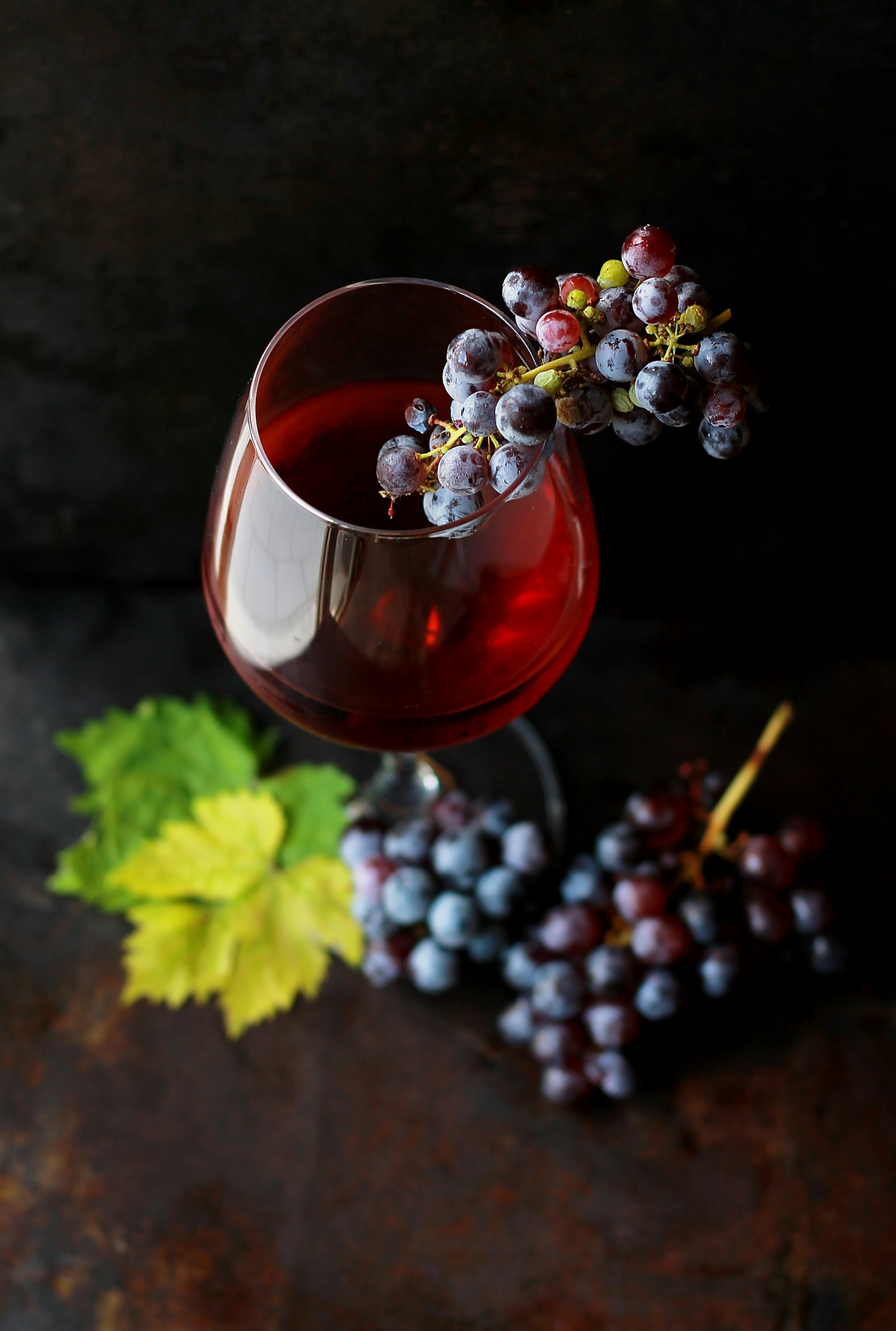
The “Vendangeur d’un Jour” program puts you in the vineyard with a real harvest team. You pick grapes alongside seasonal workers, eat the four-course staff lunch (pate en croute, coq au vin, cheese, apple tart), and drink a different champagne each evening with the team. By law, all champagne grapes are hand-picked — you’re doing the same work that produces every bottle of Dom Perignon and Krug.
September only. The ban des vendanges — the official harvest proclamation — specifies the exact start date for each village. Our champagne harvest season guide has the full details on timing and what to expect. Families that still house and feed their pickers are increasingly rare. This is the most immersive experience in the region.
How: Book through Epernay Tourism. Reserve months ahead — the program fills fast.
3. Clairvaux Abbey: From Monks to Prison
Founded by Saint Bernard in 1115, Clairvaux is where monks brought Pinot Noir from Burgundy and planted the spiritual origins of champagne. Under Napoleon, it became France’s largest prison. It operated as a prison until 2023. The cells — 1.5 by 2 meters — were in use until 1971.
Tours are guided only. Bring ID (security requirement). Switch off your phone. Photography is prohibited. These rules make the experience better, not worse. You have to be present. You have to remember without a camera. The 12th-century rib-vaulted storeroom, the 16th-century Ladies’ Hostelry, and the cells themselves are a progression from beauty to brutality that stays with you.
How: Book by email through the official Clairvaux website. Tours are often in French — bring Google Translate. Allow 1.5 hours plus travel (1 hour south of Reims).
4. Sunset at Les Tuileau
The picnic area above Hautvillers where locals — not tourists — watch the sun set over the Marne Valley with a bottle of champagne. No admission. No tour. No guide. Just a bench, a view across UNESCO-listed vineyards, and the golden hour light that makes the vines glow.
The Belvedere Dom Perignon viewpoint on Rue de Cumieres is the more dramatic overlook — a panoramic sweep toward Cumieres, Epernay, and the river. But Les Tuileau is where the locals go, which tells you something about which view they prefer. We mapped all of them — with GPS coordinates — in our free champagne viewpoints guide. The Hautvillers experience covers both viewpoints, the abbey, and the 140 wrought-iron village signs.
How: Drive or cycle to Hautvillers (5 minutes from Epernay). Bring a bottle, glasses, and a blanket. Golden hour in summer is around 9 PM.
5. The Grower Champagne Circuit
Forget the famous names for an afternoon. Drive through the grand cru villages — Ay, Bouzy, Ambonnay, Verzenay — and knock on doors marked “RM” (Recoltant-Manipulant). These are families who grow their own grapes and make their own champagne. The tasting rooms are kitchens. The person pouring is the person who made it. The Grower Revolution trail connects eight of these villages into a week-long route.
Grower champagnes cost a fraction of the grand marques and often show more character — the terroir of a single village rather than a blend of dozens. Bouzy Rouge — still red wine from a champagne village — is a curiosity worth trying: Pinot Noir from the same soil that produces sparkling wine, bottled still.
How: No reservations needed for most growers. Look for “Degustation” signs. Bring cash — some don’t take cards. Saturday mornings are best.
6. St. Vincent’s Day (January)
On the Saturday before January 22, champagne’s houses and growers unite to honor their patron saint. Hundreds of participants dress in traditional costume and process through the streets. There are tastings, meals, and the kind of community celebration that tourism boards would promote if it happened in summer.
It happens in January. Almost no tourists know about it. The locals celebrate. The vines are bare. The villages are empty except for the procession and the feast. This is the Champagne that existed before the tourism industry, and it’s still alive if you come at the right time.
How: Check local tourism websites in December for the specific date and host village (it rotates). Book accommodation in Reims or Epernay.
7. The Panoramic Driving Tour
A 40-kilometer circuit through the Montagne de Reims with eight exceptional viewpoints. The route passes through the Foret de Verzy — where 1,000 twisted dwarf beeches called faux de Verzy grow in shapes that look like something from a fairy tale — and the military observatory on Mont Sinai (open 10:30-17:00), which offers a 360-degree view across the entire Champagne region.
Most visitors drive the Avenue de Champagne and miss the fact that the vineyards are on hillsides, and the hillsides have summits, and the summits have views that make you understand why this particular place makes this particular wine.
How: Download the route from Hautvillers Tourism. Allow 4 hours with stops. The GPS coordinate for La cote a bras viewpoint: 49°04’39.0”N 3°56’25.9”E.
8. Marne River Cruise
Flat-bottomed boats cruise the Marne between Epernay and the villages along the river. The vineyards visible from the water are some of the most photographed in Champagne — the same slopes that appear on postcards and wine labels, seen from the river that runs through the valley floor.
The cruises are short (1-2 hours), unhurried, and usually include a champagne tasting on board. The guides point out vineyards, villages, and historical sites along the banks. In autumn, when the vines are turning gold and red, the river cruise is the single most photogenic experience in the region.
How: Book through Epernay Tourism. Available spring through autumn. Most cruises depart from Epernay.
The Pattern
The common thread through all these experiences is that they’re not on the standard tourist itinerary. They require knowing they exist, planning ahead, or arriving at the right time of year. The cellars of Moet and Taittinger are excellent — but they’re the chapter everyone reads. These are the footnotes that make you want to come back. The Avenue of Bubbles trail covers the big houses in a walkable 2-day route, while the Grower Revolution trail connects the hidden villages. For help putting it all together, start with our complete guide to visiting Champagne.
FAQ
What are the best off-the-beaten-path experiences in Champagne?
The grower champagne circuit through grand cru villages like Ay, Bouzy, and Ambonnay is the single best alternative to the big-house tours. Knock on doors marked “RM” (Recoltant-Manipulant) — these are families who grow their own grapes and make their own champagne. Tastings happen in kitchens, the person pouring made the wine, and bottles cost a fraction of the famous names. Beyond that, Clairvaux Abbey (a 12th-century monastery turned prison, tours by reservation only), the sunset picnic spot at Les Tuileau above Hautvillers, and the Marne River cruise round out the experiences that most visitors never discover.
Can you pick grapes during champagne harvest?
Yes — the “Vendangeur d’un Jour” (picker for a day) program puts you in the vineyard with a real harvest team in September. You pick grapes alongside seasonal workers, eat the traditional four-course staff lunch, and drink champagne with the crew each evening. By French law, all champagne grapes must be hand-picked, so you’re doing the same work that produces every bottle of Dom Perignon and Krug. Book through Epernay Tourism months in advance — the program fills fast, and the exact start date for each village is set by the official ban des vendanges proclamation.
What is a remueur?
A remueur is a traditional hand-riddler — a person who turns champagne bottles by hand to collect sediment in the neck before disgorgement. The technique was invented by the Widow Clicquot in the early 1800s. A skilled remueur turns 40,000 to 75,000 bottles per day, alone in chalk caves at 10 degrees Celsius, reading the sediment in each bottle and adjusting the angle and rotation accordingly. Most champagne is now riddled by machine, making this a disappearing craft. Bollinger and a handful of growers still employ remueurs — ask your guide if you can watch, preferably during an early morning visit.
When is St. Vincent’s Day in Champagne?
St. Vincent’s Day celebrations take place on the Saturday before January 22 each year. It’s Champagne’s patron saint festival — hundreds of participants dress in traditional costume and process through the streets, with tastings, communal meals, and the kind of village celebration that almost no tourists know about because it happens in the dead of winter. The host village rotates annually, so check local tourism websites in December for the specific location. Book accommodation in Reims or Epernay and prepare for bare vines, empty villages, and a celebration that predates the tourism industry.
Sources: Epernay Tourism — Vendangeur d’un Jour, Clairvaux Abbey Official Site, Comite Champagne (CIVC), Decanter — Grower Champagne Guide, Wine Spectator — Bollinger Hand-Riddling, Hautvillers Tourism — Panoramic Tour. Discover more on our Champagne Odyssey trail or read The Complete History of Champagne.